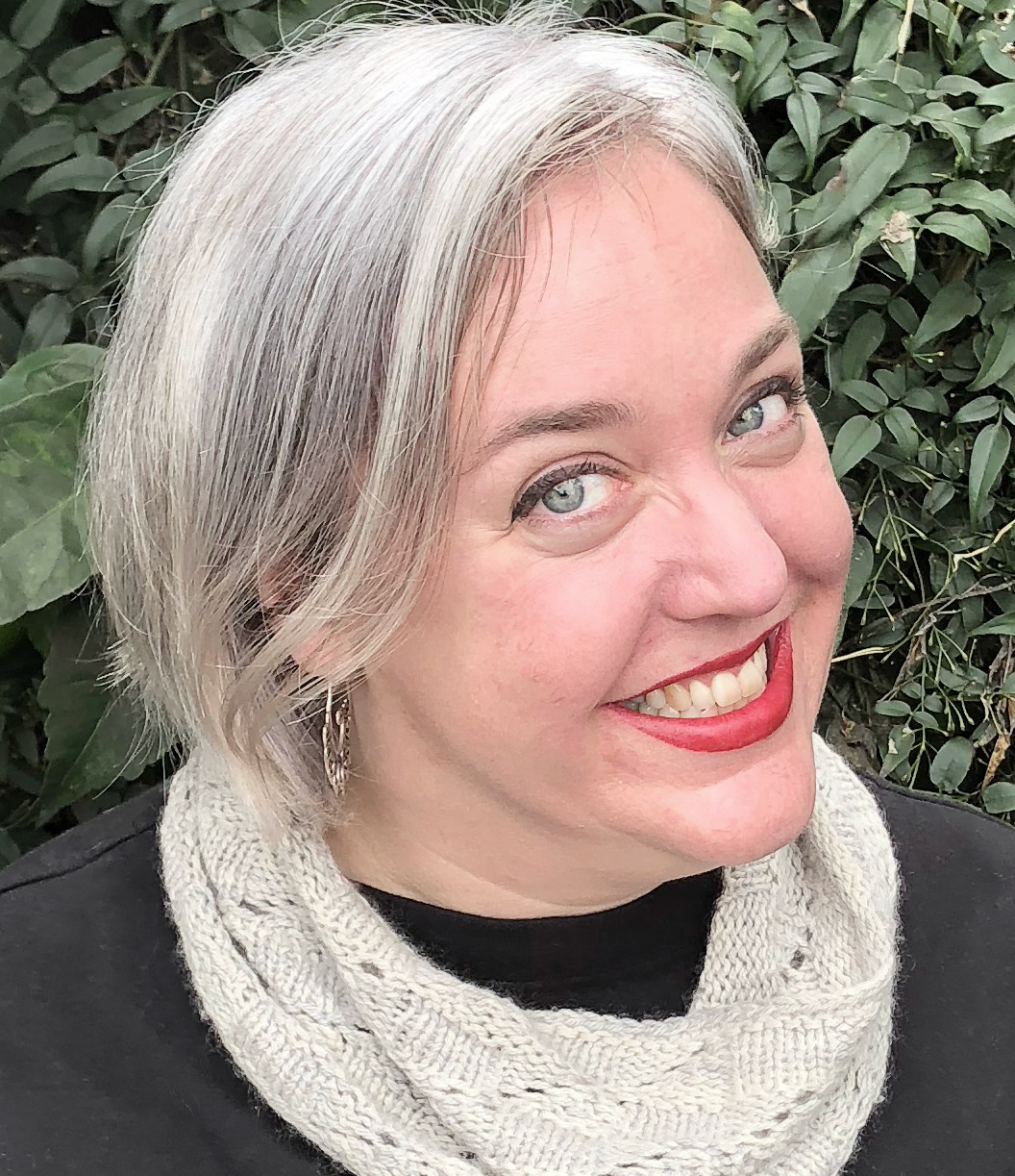
Guest Blogger Arlene Mandell: Write Quirky, Break Free

  • Guest Blogger Arlene Mandell writes:

    “Found tiny brown frog in bathroom sink.” Both the frog and the notation in my journal made me smile. This reminded me that not all entries must be “worthwhile” in the service of self-analysis or material for lofty literary purposes.

    I’m seventy-three, have been writing for most of my life, and have cabinets, folders and computer files filled with work. Quite a bit has been published. And there’s plenty that hasn’t been. Recently I’ve been giving myself permission to snip, toss and DELETE anything that hasn’t worked thus far and may not be worth expending any more energy on.

    For example, there was the stack of dusty manuscript copies of Slow Kissing, my first novel which I shipped from Closter, New Jersey, to Santa Rosa, California, fourteen years ago. No matter how many times I revised it, it just wasn’t very good. One rainy morning I hauled the copies to my recycling bin. Then I took the ultimate action and deleted Slow Kissing from my computer’s memory with only a twinge of nostalgia for Claudia, my protagonist.

    This brave action inspires me to urge other writers to at least contemplate the unthinkable. Have you been slogging through a multi-year project that has squeezed the happiness from your writing self? But you don’t yet have the courage to toss it out? Do consider putting it aside and writing something funny, silly, and/or inappropriate.

    Or borrow a tactic from Lynda Davis, a Man-Booker-prize-winning writer who sometimes pens a one-sentence story. For example, Tropical Storm: “Like a tropical storm, I, too, may one day become better organized.” After writing a sentence like that, you should reward yourself with a cappuccino or a walk in the woods.

    Another way to brighten your writing life is to take a piece of work that has been rejected many times and ruthlessly edit it, keeping only the liveliest bits. Then send out the shortened version. My “Kaleidoscope” poem, written in 1989, was just published in the April 2014 issue of Waterways: Poetry in the Mainstream. (The poem had been reduced from 67 to 23 words.)

    Perhaps you write about serious ecology-related subjects, like global warming or endangered species. Consider detouring to another nature-related topic, such as those tiny odoriferous black ants that swarmed over your kitchen counter after you set down a single piece of unwrapped fudge. According to the extermination company that charges $160 a visit, these ants are invading the nation. Once you admit to hosting this horde, others will want to share their own ant horror stories. You might even end up with an ant anthology.

    Another tactic is to pick a subject that no one, to your knowledge, has ever written about before, such as an ailing hot water heater with an ominous Tick Tick Tick that reverberates through the pipes, as though counting down the seconds of your life. Then describe its replacement, a shiny new hot water heater with a little white light that goes blink, blink, blink.

    The lyrics to a song from the 40s just popped into my head:

    “Enjoy yourself, it’s later than you think. Enjoy yourself, while you’re still in the pink. The years go by as quickly as a wink. . . .”

    Obviously if your main focus is on the Holocaust or memory loss, it can be difficult to switch to fluffy stuff for an hour or two, but good for your mental health.

    Should you share any of these suggestions with your writing group? Only with extreme tact. For months I’ve held my tongue as a fellow writer reworks a piece that just isn’t very interesting. I’ve wanted to offer my Thai mantra, mai pen lai (which means let it go) but wouldn’t want to hurt her feelings.

    One of the poets writes verses that make no sense at all. I tried, “Um, those blueberries rolling through the courthouse?” But she feels no need to explain. This may be her unique quirkiness or a profound symbolism I’m too dense to comprehend.

    Might you consider deep-sixing an ending? Some of us (probably not you) have a tendency to add a summary paragraph or a cute little coda to every piece of writing, just in case the reader may not get the point. A cigar-puffing city editor once gave me a gruff piece of advice as he slashed my copy: “When you’re finished, STOP!”

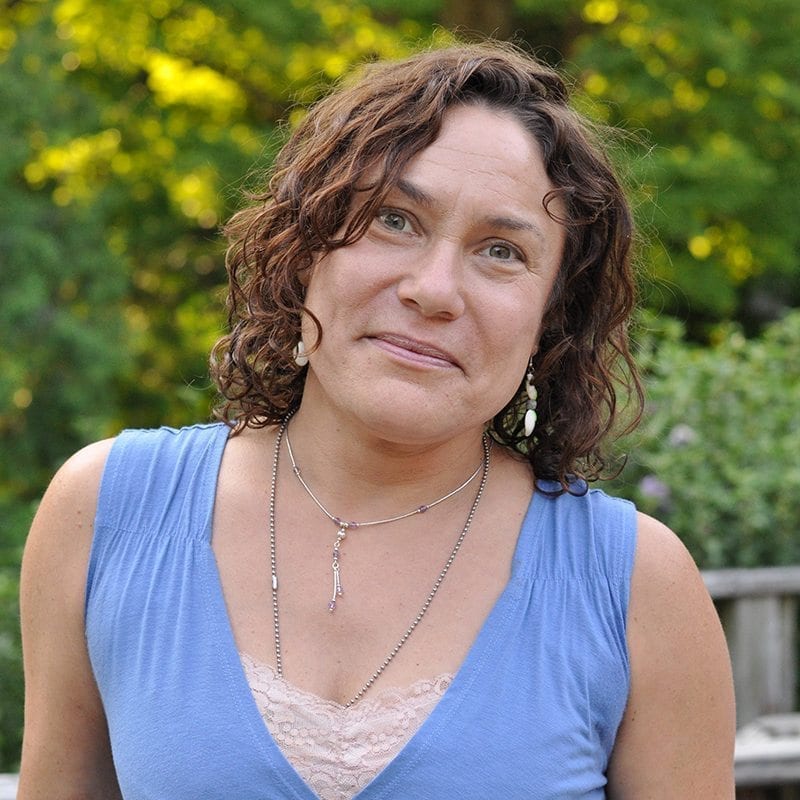
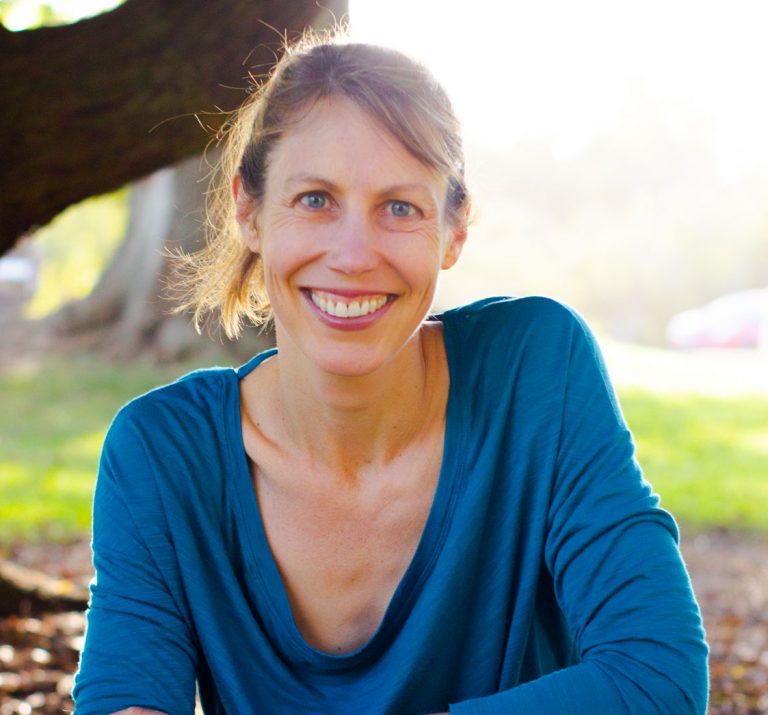
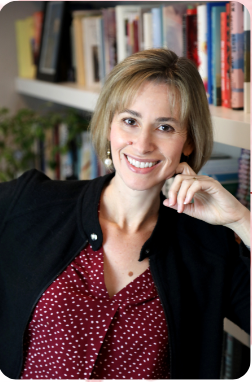
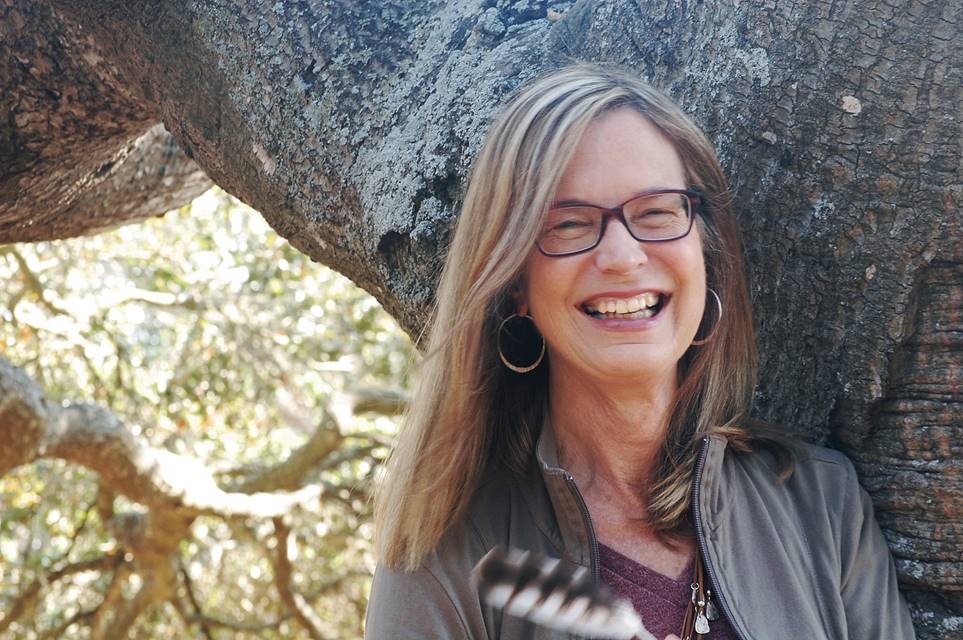
    Arlene Mandell Arlene Mandell, a retired English professor who lives in Santa Rosa, CA, was formerly on the staff of Good Housekeeping magazine. She has published more than 600 poems, essays and short stories in newspapers and literary journals. Her work has also appeared in 24 anthologies.


  • Guest Blogger Adair Lara writes:

    Voice in writing is my new obsession. I’ve been talking nonstop to my memoir students about it until they all look at me cross-eyed. “You must think of your experiences as material! And of yourself as a character!” Many of them have been taking the workshop with me for years, climbing the three flights of steps every Saturday to the redwood attic of the Victorian house I live in.

    I was all about identifying the emotional beats of the arc when some of them started. They must have been sick of hearing me say, “What’s the beat?” (The wine Lee Anna brings helps). And they must have been surprised –why had I not mentioned this new approach before, if it was so important?

    Well, I didn’t because even though voice is the most obvious thing in the world, we don’t see it.

    It’s also all agents and editors care about in the memoirs they are sent these days. They’re looking for a vivid, quirky narrator with an engaging voice. The subject? Comes in second. You think you’re the only one who fell out of a prop plane in the Andes and captured by a lost tribe, and go online and find it happened to six other people, all of whom have written memoirs and already have agents. With a great voice, though, you can write about that or any other damned thing you please and get into print. For example, the agent who received a manuscript of a memoir called Candy Girl by a former stripper-for-a-year named Diablo Cody said:

    “I wasn’t interested based on the subject matter alone. Stripping had been covered before (no pun intended), and I didn’t think the author was likely to add much to an already crowded market. But then there was the voice. After just one paragraph, I was a) completely convinced that stripping was the solution to all of her problems, b) laughing uncontrollably, and c) definitely interested in being along for the entire ride, or at least 250-plus pages.”

    “Personality” is another word for voice, really. If you don’t like a person’s personality, you don’t want to hang out with them. If you don’t like a book’s personality, you don’t want to hang out with it, either. I know that the number one reason I pick up a book or put one down is because I like the voice or I can’t stand the voice. There doesn’t seem to be much in between for me. The subject is not a factor. I can happily read Anne Lamott talking about Jesus—not an interest I share –because she is so funny and smart and self-deprecating.

    Adair.Bill

     Note from Marlene:  Adair Lara is also smart and funny . . . take a class with her to learn more about “voice in writing.” This post is an excerpt from Adair’s book in process. I’ll post a book review as soon as the book is published and I have read it.  If you would like to be a Guest Book Reviewer for The Write Spot Blog . . . Let’s talk! Send me an email.  mcullen@comcast.net

    Adair and Bill on San Francisco Bay, Alcatraz in the background.

  • Guest Blogger Kshatriya Millick writes about the importance of words.

    The lyrics to “Speak Life” by Toby Mac have really been weighing on my heart and mind. Hearing this song, live in concert, touched my soul and spirit in a way hearing it on the radio never did. It has caused me to think about how I speak to others. Do I use my words to lift others up or tear them down? Do I take little jabs to their characters and their lives, to feel like I am connected to something or to feel superior? Do I use jokes that are hurtful to be funny? Do I use my words to inspire others or to discourage them? These questions have caused me to evaluate how I use words in my life, and how those in my life use their words in their lives. I no longer wish to associate with people who use their words to judge, tear down, make a joke at others’ expense, ridicule, or who just don’t care what they say. I no longer want to be the person who uses her words to hurt others.

    How hard is it really for me to spread hope and kindness with my words? How hard is it really for me to speak encouragement instead of ridicule? I don’t have to be witty or “on the mark” or funny to say a word that would lift someone up. Why shouldn’t I be proud of those in my life? Why shouldn’t I learn to look at them and say, “You are an amazing person” and mean it! How hard would it be to eliminate the witty banter of sarcasm and ridicule for truth and support? Why do I need to use sarcasm as a way to prove to the world I have a “special” connection to someone?

    Words spoken even in jest can cause pain, doubt and mistrust, so why wouldn’t I watch my words? If I focus on lifting others up and “speak life” to them, wouldn’t I be the one who benefits from that action? I find when I can “speak life” and encouragement then I feel better about my day, I feel better about my relationships and I feel better about me.

    Does this mean I won’t tell people the truth or bring light to something that I see as harmful, no of course not, truth is different from what I am saying, yet it is the way we express it.

    Think about it for a minute, how do you deliver the truth to someone? Do you do it with disdain, are you a bully with your delivery, are you judgmental, or are you mean? Now think about how you respond to this kind of delivery in your life? There is no written rule that says, “Truth must be delivered with a hammer and with stones, until the person you are speaking to is a pile of brokenness and despair.” What if we speak truth with compassion? What if instead of rocks thrown we put our hand out and offer to help them walk? What if we truly treated others the way we desire to be treated and not the way we were trained to accept treatment?

    My challenge for myself is to “speak life” into each person I come in contact with, in some way. A smile, a kind “Hello,” eye contact, truth with compassion, forgiveness, a word of encouragement for the hard work they put into a goal they are working towards. My challenge includes my family and friends; sometimes it is those close to us that we ridicule the most, when they should be the first people we lift up.

    “Speak Life” by Toby Mac is a song that expresses the power of words. Words we say, words we hear, words we write, all the words we use. It spoke to me in such a way as to change my thinking about how I use my words. It changed how I hear words and it has changed me and my relationships. All my conversations now have a positive slant; I speak words of encouragement and hope before I speak words of bitterness and pain.

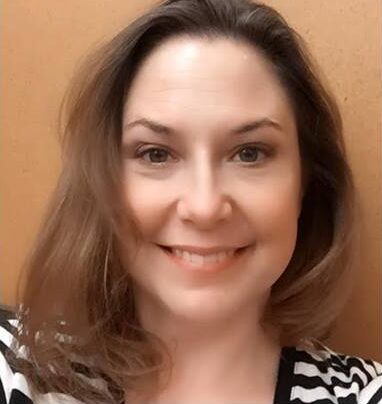
    Kshatriya Millick lives in Northern California and is married “to a very loving sweet man who has taught me so much about love and acceptance.” Over the last couple of years she has transformed her life. “I have gone from existing to living a joyful life. At almost 300 pounds I started my life all over with all things new from a job to a new school to a new relationship. Now at 115.8 pounds less and with a new lease on life I see each day of my life as a blessing and I adore and welcome the challenges life has to offer.”

    Ksha

  • Guest Blogger Michelle Wing writes:

    I have always been rather envious of writers who say they sit down at their desks each day at, say, 9 a.m., and write for three or four hours. In other words, writers who have a pattern and a discipline to their output. That is simply not how I am wired. I can’t do anything that way – exercise regimens, meals, study sessions – nope, I fail at every attempt to adhere to a strict schedule.

    Instead of berating myself over this, I have learned to look at what does work for me. What are my ideal conditions for writing productivity?

    I thrive under deadlines. Having spent over 15 years of my life working as a journalist, I am very familiar with the feeling of having to get a story out – now – just under the wire. It is its own particular type of adrenalin rush. Journalistic copy is often fairly straightforward – a news story, maybe a longer more elaborate feature, a column. But always, that common thread of having a short time frame to get the work done.

    I still have a couple of similar gigs now. I write a monthly literary column which appears in four local newspapers, and I also do a Q&A interview on stage craft for a local theater company, as part of the program handed out to patrons at the show. These writing assignments are easy for me to manage, because I simply calendar them. I know when I have to be brainstorming for ideas, when interviews must be scheduled, and when the final copy is due. No problem.

    So what about my more creative work? How do I make space for it in my otherwise very busy life? The best way I have found is to treat my prose and poetry the same way. Find deadlines. One option is to look for submission opportunities. I choose a reasonable number, and put them on my calendar or my white board. A call for pieces for an anthology, due on June 1. A contest for creative nonfiction, due on June 30. A local group asking for contributions to a poetry chapbook, due in August. I may decide along the way not to go with all of these, but at least they get me started at my computer.

    One of the reasons I enjoy working with deadlines, and having specific projects in mind, is that I am a percolator. Especially with poetry, much of my writing is done when I am not sitting in front of the blank page. It happens when I am walking, or reading someone else’s verse, or when I am sitting at a coffee shop waiting for a friend to arrive. My poems brew. By the time I sit down to write, entire lines are already formed. But I can get lazy, and not stick with an image or a poem. Knowing that I have a deadline coming up, I will encourage this process to pick up the pace a bit. Remember, I will whisper as I wake up in the morning. We have a poem we’re working on. Keep your ears open.

    This can be used just as effectively on much bigger projects. When Ruth Thompson of Saddle Road Press first approached me about writing a book of poetry, it felt completely overwhelming. How could I get a handle on something that huge? It turned out to be very basic. We set a deadline – final manuscript due by Jan. 1, 2014. As soon as I had that goal in mind, all the rest fell into place. I found I was able to do the work, pace myself, make the time, get it done. All I needed was that firm deadline.

    Goals Are DreamsSo now, when asked how many hours a day I sit at my desk, I don’t feel ashamed to say that sometimes, I don’t sit there at all. Because it doesn’t matter. The dates are on my calendar; the work is in process; and I am a writer, whether or not I am at the keyboard.

    Michelle Wing_02-sm

    9780991395200_cov RC 05.inddMichelle Wing is a poet (Body on the Wall, May 2014) and writer of creative nonfiction who blogs about writing. For more information, see her website.

  • . . . and offers prizes.

    This contest has ended. Thanks for everyone who participated.

    Excerpted from Carol’s January 16, 2014  Blog Post .

    Carol’s Grammar Plates

    I’m not a perfect grammarian but I do have most of the basics down. And so should anyone who calls him- or her–self a writer, or you lose credibility. For this complete blog post (where the plate photos are clearer), please go to Carol Cassara’s blog post, Grammar Served On A Plate.

    I’m not a perfect grammarian, but I do have most of the basics down. And so should anyone who calls him- or her–self a writer. – See more at: http://carolcassara.com/?s=grammar+on+a+plate#sthash.VHOqzU5K.dpuf
    I’m not a perfect grammarian, but I do have most of the basics down. And so should anyone who calls him- or her–self a writer. – See more at: http://carolcassara.com/?s=grammar+on+a+plate#sthash.VHOqzU5K.dpuf
    No one wants to use the word “me” any  more. I don’t know why that is – See more at: http://carolcassara.com/?s=grammar+on+a+plate#sthash.VHOqzU5K.dpuf
  • The following is from Nina Amir’s Blog, Write Nonfiction Now. Nina posts writing prompts on Fridays.  I really enjoyed Nina’s Prompt #10 and thought you might like it, too.  These ideas can also work for fiction writing.

    Create Book Ideas to Support Your Goals: Nonfiction Writing Prompt #10 by Nina Amir.

    Nina writes:

    If you want to write and publish books, the first step involves developing ideas. You may be a nonfiction writer with just one book idea or with many. However, if you have nonfiction writing goals, your book ideas should support your goals.

    I have many book ideas. Despite the fact that some of them really excite me, I have put quite a few on hold. I have them queued up in a logical order, one following the other so they help move me toward my goals.

    Sometimes those goals could be simple, such as get a traditional publishing deal. That may not sound “simple,” but, for example, I put aside some projects of mine that were outside my area of expertise to pursue that goal. I used my expertise to accomplish it. With traditionally published books under my belt that have performed well—a track record—I can move into other categories more easily, should I want to pursue traditional publishing for my other ideas. I can also pursue self-publishing now more successfully.

    Your goals could be to:

    • Attract more clients
    • Make more money
    • Develop authority
    • Tell my story
    • Serve others
    • Teach
    • Build a business around a book
    • Get more freelance assignments
    • Become a professional speaker

    Whatever your goals, it’s time to develop book ideas that support them.

    Write down your top two or three nonfiction writing goals. For each goal, also write down one or two reasons why you want to achieve that goal. Here’s an example of what that might look like:

    what are your writing goals

    Next, brainstorm tentative titles or subjects for books that would support those goals. Come up with at least one, preferably two for each goal. Prioritize them based on which will help you achieve your goal fastest. Here’s an example (without actual titles or subjects):Books for NF Writing GoalsIf you come up with other nonfiction book ideas you’d like to write during this process, write them down as well, but put them away for later. That’s what the “Other Books” category is for.  

    Nina’s newest book, The Author Training Manual is now available.  Be one of the first to own a copy of The Author Training Manual : Develop Marketable Ideas, Craft Books That Sell, Become the Author Publishers Want, and Self-Publish Effectively.

    Nina Amir Nina Amir, author of How to Blog a Book and The Author Training Manual, transforms writers into inspired, successful authors, authorpreneurs and blogpreneurs. Known as the Inspiration to Creation Coach, she moves her clients from ideas to finished books as well as to careers as authors by helping them combine their passion and purpose so they create products that positively and meaningfully impact the world. A sought-after author, book, blog-to-book, and results coach, some of Nina’s clients have sold 300,000+ copies of their books, landed deals with major publishing houses and created thriving businesses around their books. She writes four blogs, self-published 12 books and founded National Nonfiction Writing Month, aka the Write Nonfiction in November Challenge.


  • Guest Blogger Lynn Henriksen invites you on a journey.

    Who is she, really—this woman you call Mother? What could be more important than looking at your mother as an individual unto herself? Come along with me on a journey into the heart of the Mother Memoir to write a true and telling tale by answering this question:

    “If you could tell just one small story that would capture your mother’s character and keep her spirit alive for years to come, what would it be?”

    Moving your ego aside and searching purposefully for your mother’s intrinsic character can take some time to put into practice, but it is so worth your energy to discover valuable insights. Do you know what makes (made) her tick? What buoyed or drowned her hopes and dreams? What inspired her joy, tugged at her heartstrings, or thrilled her to the depths of her soul? What enlivened her spirit or dashed it to smithereens?

    As The Story Woman, I’m here to encourage you to find the answers to these questions and create a stirring bio-vignette. My mother died several years ago, but afterwards I wrote my short memoir honoring her, and I believe she felt it. I know my family appreciated it; it provided them a glimpse into her spirit that only I could pass on from my vantage point—one that could never be portrayed in mere photographs.

    It could be that you don’t even like your mother. Ouch! Perhaps, on the other hand, she’s so special to you, you’re so close to her, that you can’t bring yourself to see her as someone distinct in her own right—someone separate from you. Maybe you don’t want to look…too scary, too sad, too poignant, too intimate. As I see it, these are all valid reasons why it is essential for you to write a true story about Mother—one that embraces a special kind of memoir that peers into the heart and soul of your very first relationship.

    The beauty in writing the Mother Memoir is about honoring this most basic relationship. Whether your connection with your mom was good or bad, filled with light and happiness, or misery and regret, it is an avenue toward better understanding in all its forms. Through the process of writing your telling tale, a multitude of feelings and emotions are to sure surface. Be prepared for tears and laughter, while experiencing joy, sadness, anger, thanksgiving, angst, relief, or forgiveness and appreciate this process as a path toward healing and/or a forum for celebration. With an open heart, give thanks for the wisdom you will come to realize as the journey unfolds, since history lives within us despite the passage of time.

    Although her character is multifaceted and her inner make up complex, you’ll look for certain aspects of her personality that stand out and echo her distinct qualities. Begin by locating that one memory or cluster of events that in the telling would impart a genuine impression of the character and spirit of your mother as seen through your eyes. What aspect of her being, what specific quality, action, or anecdote can you draw upon to bring the essence of her character to light in a short memoir? You won’t trace her history in this bio-vignette or look for earth-shaking events as a basis for your story. It’s the real-life, day-to-day occurrences that connect us and often bring us to our knees.

    Once you have found the memory you want to shape into memoir, take a good, long reflective break from the well-formed picture you have formulated about your mother as it relates to this happening or string of events. Let go your assumptions—all of them—as you look for truth and honesty and discover buried under layers of façade the reasons why she acted or reacted as she did. You may be surprised by what you see and how you feel. You may experience an awakening or a shift in perception after distancing yourself from the event and applying maturity mixed with the willingness to look at your mother as an individual in her own right, from the inside out.

    Although the idea of writing a memoir can be overwhelming, remembering Mom through writing your Mother Memoir is doable. It calls for memories to be energetically crafted into words to make her spirit come alive in just a few pages creating a short, true story that has the power to reveal her essential spirit. You will come to understand its impact as you move through this process and join the ranks of TellTale Souls.

    Henriksen photoLynn Cook Henriksen, The Story Woman™, is the founder of “TellTale Souls,” an enterprise promoting writing memoir creatively through workshops, classes, speaking presentations, and her award-winning guidebook, TellTale Souls Writing the Mother Memoir: How to Tap Memory and Write Your Story Capturing Character & Spirit.  As an intuitive leader, Lynn discovered a profound way to keep spirits alive after witnessing Alzheimer’s disease ravage her mother’s mind. As an author, teacher, and entrepreneur, she has helped hundreds of people from 9 to 90 capture the memories and feelings they never thought they could record.  Lynn is a member of California Writers Club, Marin and past president of the Women’s National Book Association, San Francisco.

    Lynn will be the April 17 Writers Forum Presenter in Petaluma, California..

  • Guest Blogger Hal Zina Bennett writes about our inner critics.

    Most of us writers are plagued by inner critics, those still small voices that speak from within, asking unsettling questions such as: “What makes you think you’re a writer?” Or, “This is drivel.” Or, the classic, “Don’t leave your day job.” Everyone has these inner critics, though some of us find their voices louder or more cutting than others. In their most insidious form, we feel these inner critics as our own self-judgments, not truths that we must accept. The author Storm Jameson put it well: “There is as much vanity in self-scourgings as in self-justification.” We write a few lines or pages that upon our review are “just terrible.” Instead of just rewriting or editing them, we point to them as evidence that we really can’t write.

    It’s difficult to accept that these inner critics, who stop us in our creative tracks, are within us; they may have originated through events that happened in our past but today exist only in our minds. To free yourself of these inner critics’ influences only when you own them, fully acknowledging that you yourself are creating them today. If you can own your inner critic, you have a choice — to cling to their judgments or not. Try to push them away and they only grow stronger, arguing like willful children or belittling parents. You can let them go, let go of your attachment to them. How? Start by making them characters in a story or in vignette you write in your journal. Describe them in detail, the more detail the better. Give the color of their eyes, the color of their hair, their body type, their voice, their stench.

    C. G. Jung encountered a form of inner critic in what he called the animus. His experience, reported in Memories, Dreams, Reflections, was that the animus, or inner critic, has its most powerful impact on our emotional life only when it remains unconscious and unnamed. As long as it is unconscious and unnamed, we experience it as inseparable from us. We can feel quite attached to their harsh criticisms.

    Jung found that by “personifying” them we essentially “strip them of their power.” They still exist in our psyches but are better able to take their harsh judgments with a grain of salt. As writers, we can even use them as seeds for characters in our stories.

    If you’re plagued by a particularly bothersome inner critic, recreate them as a character in a story. Satirize them, if you wish. The more you’re able to give them a reality on paper, the more you will be able to accept them as having a right to own opinions, their own distorted pictures of you. The more real they become on paper, the greater will be your choices about accepting or rejecting what they say about you. I’m convinced that some of the world’s most memorable villains were created in this way—and in the process their creation has defused their power as inner critics.

    Hal Zina Bennett is a bestselling author of more than 30 published books, including Write Starts: Prompts Quotes and Exercises to Jumpstart Your Creativity, from which this article was excerpted.

    Bennett.Write Starts

    Permission has been granted for use of the requested passage from the book Write Starts. Copyright © 2010 by Hal Zina Bennett. Reprinted with permission of New World Library, Novato, CA. www.newworldlibrary.com.

  • Guest Blogger Meredith Bond writes about creating beautiful history.

    I love history and reading about how people lived. And I love writing historical romance. But one doesn’t have anything to do with the other and rarely do I use very much of what I read in my novels. Historical novels—all, although romance is certainly the most guilty—takes history and makes it beautiful. That’s wonderful, except for one minor fact. History is not beautiful. Life before electricity and toilets was really not pretty or comfortable. And yet when was the last time you read a historical novel which actually made you aware of that?  Or mentioned it at all?

    There are, from time to time, mentions of some villains awful breath. But the scent of a hero or heroine is always something wonderful—flowers or leather. But is that accurate? Did people in the 18th century really smell that way. Highly unlikely. If they bathed, it wasn’t often.  In medieval England the monks of Westminster were required to bath four times a year. That’s it. And we’re not even certain they bathed that often. So, now how are people supposed to smell so nice? If they did so, it was due to the liberal use of perfume.  The next time you read that a hero smelled like “musk”, it was probably his own personal musk that the heroine is smelling because the guy hasn’t bathed for a while.

    Of course we all know that people in novels rarely use the toilet. Why? Because it was a disgusting experience. The wealthy might have a pot which would be cleaned out by some poor servant (sometimes by simply throwing the contents out the window – be careful how closely you walk next to a house). If there was an outhouse—well, you can imagine how lovely that smelled.

    And then there were the animals. Yes, horses which leave what wherever they’ve gone? And no, there was no one picking it up. There were also pigs, rats, goats and all manner of other animals living in cities, eating whatever waste lay about on the streets—and there was definitely enough of it to feed them well.

    So where is all of this lovely detail in historical novels? Nowhere. Are you surprised? No, I didn’t think so.

    And what of women? People who read romance novels love a feisty heroine. A woman who will stand up for herself. Who rides as well as the men. Or thinks nothing of engaging in some witty, sarcastic repartee with our hero. But did girls, especially unmarried young women, really behave so boldly? I don’t think so. Not if they wanted to get married. And if they didn’t get married they became nothing but a burden on their family. They had no other option.  Women were quiet. Submissive. Treated like children—who only spoke when spoken to. The brave young souls of the modern romance novel bears no resemblance to the actual women of time. It is a sad story, but true nonetheless.

    So enjoy your romance and other historical novels, but especially enjoy the fantasy that they create—that’s why it’s called “world building.”

    Meredith Bond is an award-winning author of a series of traditionally published Regency romances and indie-published paranormal romances. Known for her characters “who slip readily into one’s heart,” Meredith’s paranormal romances include Magic In The Storm, Storm on the Horizon, and the short story “In A Beginning.” Her traditional Regencies include The Merry Men Quartet of which An Exotic Heir and A Dandy In Disguise have recently been republished. Her new series of New Adult Medieval Fantasy Romances, will be coming out beginning March 18th, 2014 with Air: Merlin’s Chalice, followed by Water: Excalibur’s Return in April and Fire: Nimue’s Destiny in May. Meredith also teaches writing at her local community college. If you want a taste of her class in book form, Chapter One is available at your favorite e-retailer.

    Want to know more? Visit Meredith at her website, or chat with her on Facebook  or Twitter (@merrybond). If you’d like to be one of the first to know of Meredith’s new releases, join her no-spamming email list by clicking here.  

    Thanks so much!  Meredith.

    Meredith Bond book