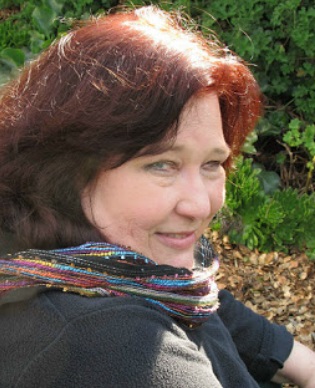
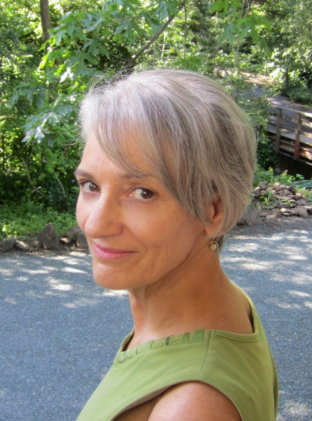
The following is an excerpt from Anne R. Allen’s December 22, 2019 blog post. You, too, can be an indie-author. It helps to be informed with willingness to do the work.
From Anne:
In a few days we’ll be leaving the twenty-teens to enter the
2020s. We’ll be saying goodbye to a decade of wild upheaval in the publishing
industry.
It’s been quite a ride.
On January 5th, [we hosted] agent Laurie McLean from Fuse Literary Agency, for her annual “Crystal Ball” predictions for publishing in 2020.
But today I’m thinking about the decade that’s passing, and
how it disrupted and radically changed the way authors approach publication.
A lot of us got to behave like teens—experimenting with
radical publishing ideas and trying on lots of new writing venues for size.
Amazon’s Kindle had the right name. It fired up the writing
community in a major way. Self-publishing became a viable, lucrative
alternative to the soul-crushing process of breaking into traditional
publishing.
But now things are changing again. Sales of Kindles and
other ereaders are way down. A lot of indie authors have disappeared.
Is the Self-Publishing Revolution Over?
Experts agree the “Kindle gold rush” is history.
But self-publishing is still here.
However, it has gone through drastic changes since
2010.
In the early days, there weren’t many ebooks for Amazon to
sell to their newly-minted Kindle owners. So they encouraged writers to publish
their own work through their new “Kindle Direct Publishing” (KDP.)
But then Amazon started its own publishing imprints like
Montlake, Thomas and Mercer, Lake Union, etc. They wanted to market their own
publishing companies.
Then came Kindle Unlimited, the book service that allows
unlimited reads per month for a flat fee.
Indie incomes went down a lot more.
A swarm of scammers, plagiarizers, and crooks learned to
game the KU system and top the charts with stuffed, fake, and stolen books.
Real indies lost out.
Readers left Facebook’s privacy-invading machine. And new
algorithms no longer let as many readers see our author pages.
Indie incomes went down a bit more.
E-books were the bread and butter of the self-publishing
revolution, but as people started reading more on glaring tablets and phones,
they rediscovered paper books.
Big tech, which had once seemed so friendly to indie
authors, became a minefield.
But the Self-Publishing Revolution Didn’t Die
It’s true that indie sales are more modest than they were
mid-decade, and you’re not hearing about any new “Kindle Millionaires.”
But a lot of indies are still thriving.
Many romance, mystery, and thriller writers who joined the
self-publishing revolution are now making a good deal more than their
trad-pubbed counterparts.
Others are happily plugging along, not making a big income,
but enjoying writing as a second job or hobby.
Self-publishing is still an excellent way to publish. But
it’s not the same as it was in 2010.
Indies now need to have the training and capital to turn out
a top-notch product and advertise it. They also have to be willing to learn the
ropes of online marketing and put in the time with social media to build a
following. They need to allot the time to put out a blog or newsletter.
Self-publishing allows you to control your career. You’re
not dealing with agents or editors who might ghost you, get fired, rope you
into predatory contracts, or lose their marbles. (The majority of agents are
honest and hardworking, but their incomes are falling with decreasing advances,
and many simply can’t make ends meet without a second job.)
My Advice
Don’t choose self-publishing as the “easy” way to a writing
career in the new decade. Choose it because you have an entrepreneurial spirit,
enjoy social media and online marketing, and have the time to commit to running
a business.
Should You Plan to Self-Publish in the Next Decade?
Only you know that. Do you write fast? Write in a popular
genre? Have good marketing skills? Enjoy social media? Do you blog? Are you
okay knowing you won’t be nominated for a prestigious book prize or get a
review in The New Yorker?
A “yes” to most of those questions would make you an
excellent candidate. The only other big thing you’ll need is luck.
So good luck to you. The 2020s may be the time your career
soars!
Click here for Anne’s full blog post with almost 100 comments.
My books are
mostly romantic-comedy/mysteries. Maybe a little more comic than romantic.
Since two of my favorite writers are Dorothy Parker and Dorothy L. Sayers, I
guess it makes sense that I ended up writing a mash-up of the two “Dorothy”
styles. Ruth Harris calls it “Chick Lit Noir.”
I’ve been in the writing business long enough to have collected a pretty full set of mistakes. I blog in hopes of helping some of the new writers out there make better choices.
In a former life I was an actress, bookseller, and the former artistic director of the Patio Playhouse in Escondido, CA. I last appeared in A Comedy of Errors at the Pacific Conservatory of the Performing Arts. I grew up in New England (Waterville, ME and various college towns in CT) graduated from Bryn Mawr College, and spent some time doing the hippie vagabond thing in several continents. Even got married once. All excellent adventures.
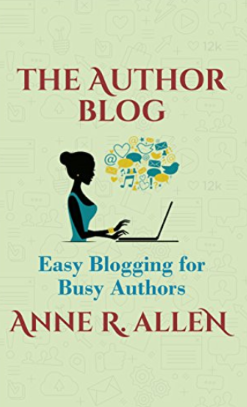
I’m the author of 10 comic mysteries and a collection of short stories and poems. I’m also the co-author of a guidebook for writers, written with Amazon superstar Catherine Ryan Hyde, and I’ve written a new guidebook for author-bloggers: The Author Blog: Easy Blogging for Busy Authors.
All my book-length works are detailed on my book page.
Guest Blogger Nathan Bransford reflects about this
past decade with the constant of books by his side.
So much can change over the course
of a decade or two. Thank goodness the books we read and write will still be
there waiting for us when we need them.
When the clock struck midnight to ring in January 1, 2010, I was a literary agent with Curtis Brown Ltd. in San Francisco, I was married, and the ink was barely dry on my first book deal for the Jacob Wonderbar series.
Little did I know that within a year and a half all that would change.
Amid all this change, amid all of this upheaval and turmoil,
there’s only one thing in my life that hasn’t changed.
Books.
The first time I visualized my current life was during a vacation in 2010 in Hawaii. I looked around and felt like a bolt of lightning hit me.
I thought, “What if I just focused on helping authors with their manuscripts, wrote my own books, and worked remotely?”
It took me a whole decade to achieve that dream. What if I’d
leaped when I first had the idea?
I know I needed to go on my career odyssey to see what was out there, to learn new skills, to make new friendships, and grow as a person.
I’ve definitely made some huge mistakes along the way. When
I look back, the worst ones happened when I didn’t follow my own instincts,
whether because I had talked myself out of what I was feeling or because I
lacked the nerve to act on my gut.
The comforting power of books
In a world where things constantly change and often
disorient us, there’s something comforting about the way books are stuck in
time, artifacts of a particular moment and place. They provide that soothing
certainty that we can return to them and they’ll be there, unchanged, ready for
us to revisit.
This especially applies to the books we write ourselves. It’s such a powerful and meaningful pursuit to write a book.
Note from Marlene: I hope Nathan’s story inspires you to pursue your writing project.
Click here to read the entire reflective post, including an endearing letter from Nathan to Roald Dahl.
Nathan Bransford is the author of How to Write a Novel and the Jacob Wonderbar series. Nathan is dedicated to helping authors chase their dreams.
Nathan’s blog has everything you need to know to write, edit, and publish a book. Can’t find what you need or want personalized help? Contact Nathan for help with your book.
Anne R. Allen’s post about commenting on blogs elicited 100 comments!
Anne writes about commenting on blogs to build your author’s platform:
I’ve seen a steep decline in the number of people commenting
on blogs over the past few years. I’m not sure why that is. But commenting on
blogs is still an easy, painless way to get your name into search engines and
build an “author platform.”
I realize I’m partly preaching to the choir here. We have wonderful commenters on this blog. But I see a lot of great blogs devoid of comments these days.
And there are lots of people who seem to prefer to respond
to the link to a blogpost on Facebook or Twitter rather than on the actual
post.
Unfortunately, sometimes they haven’t read the post, but are
responding to the header, which isn’t a good idea. That’s a good way to look
like a doofus, especially if the blogger’s title is ironic or it’s a question
that’s answered in the post.
But a thoughtful comment on a high-traffic blog is a smart
way to get your name in the public eye. And it’s easy.
Commenting on Blogs is a Powerful Tool.
First of all, commenting on blogs that are already on
Google’s radar will help get your name onto that valuable Google SERP (Search
Engine Results Page.)
A comment on our blog can put your name in front of 20,000+
people in a week. It could take a long time to reach that many people with a
brand new blog or a social media account. Most of my early mentions on Google
came from commenting on other writers’ blogs. It’s also how I started
networking in the writing community.
Also, discussions on high-profile blogs can lead to
discussions on your own blog or social media. If you find yourself making a
long comment—that’s your next post on your own blog or Facebook author page.
Invite people over to discuss it further. Or support somebody’s argument
on a blog and you’ve made a blog friend. That’s how I got my first followers.
But I’m not just talking about writing blogs like ours. A
comment on any blog that interests you—and your potential readership—will work.
Plus interacting on blogs is a great way to make friends. In
the end, that’s what a platform really is: how many people feel they “know” you
well enough to want to buy one of your books.
In fact, my blog first took off because I commented a lot on Nathan Bransford’s blog, and that won me a guest blogging spot.
But I know writers new to the world of social media and
blogging have lots of reasons for not commenting. I hear them a lot.
“I can’t even find the comments!”
A lot of older writers find the whole concept of blogging
weird and unfathomable. I remember being frustrated when I first started.
Sometimes I’d find comments, and sometimes I wouldn’t.
Sometimes I’d land on one post with a thread of comments after it, but
sometimes I’d get a whole string of posts with nothing but a thingy at the end
saying “37 comments”.
Here’s the little trick “everybody knows” so they don’t
bother to tell you—
Click on the “37 comments” (or whatever number) and that
will open the post in a new page where all the comments appear at the end of
the post. Some blog formats make you hunt around in the sidebar for the
“comments” link, but it’s there. Keep looking.
Some blogs, like ours, will allow you to reply to a
particular comment if you hit the “reply” button under that comment.
Or you can leave a general comment if you hit “Leave a
Comment” at the bottom of the whole thread. (On some WordPress and Weebly blogs
the comment button is at the top of the thread.)
“I prefer to send the blogger a DM or email.”
Sure. That’s fine. Email marketing is the big thing these
days. Sometimes a blogger or well-known author will have time to give you a
personal answer. I try to answer all our readers’ emails, even though I
sometimes confront so many emails in the morning that I want to go back to bed
and cry.
But my e-mailed answer is no more personal than my answer in
a comment thread, and nobody will see it but you and me.
Every week, people send me personal emails saying they liked
a post from me or Ruth or one of our guests, and of course we appreciate it. We
always like to hear that people are benefiting from our posts.
But many writers mention their own books and pitch them to
me.
So let’s stop a minute and think about this: what’s better
for you, the author?
1) Getting your book title in front of me, the world’s
slowest reader, who has over 500 unread books in my TBR list, and probably
doesn’t read your genre?
2) Getting your book title in front of the thousands of
people who read our blog?
Are you seeing why it’s better to put your feedback (and
name) into a comment?
Plus, if you have a question, you can be pretty sure other
readers have it too. If I answer in the comments, rather than in a personal
email, that’s helping all our readers, not just you.
“I can’t figure out how to post a comment.”
Okay: this is a biggie. Tech can be daunting. Nobody likes
to be rejected, especially by some stupid machine. If you don’t have a blog or
website of your own, sometimes a blog won’t accept your comment.
Or if you have a blog on the Blogger platform, you may not be allowed to comment on other Blogger blogs. Blogger has been developing lots of glitches lately that they have no desire to fix. That has happened to Ruth. She has a Blogger book blog and that means she can’t comment on my Blogger book blog. (Go figure.) Blogger may also not let you respond to comments on your own blog. That happened to audiobook narrator C.S. Perryess, who had to move his Wordmonger blog to Weebly, since Blogger has no tech support.
A solution to all this is sign up for Gravatar. That’s a “Globally Recognized Avatar” and ID. It’s owned by Automattic, the parent company of WordPress, but you don’t need a WordPress blog to sign up. In fact, signing up will automatically give you a WordPress ID.
“I have no idea what to say.”
I understand. Writers are shy persons. I lurked for about a
year before I started commenting on blogs. Do lurk for a while if you’re just
starting in the blogosphere.
But eventually you’ll feel moved to say something.
Most bloggers will put some questions at the bottom of
the post to invite comments. Good questions will invite you to share your own
opinions or experiences with the topic.
Read the comments. You may want to respond to one of them.
That’s a good place to start.
You don’t have to heap praise on the blogger. Bloggers
like praise as much as anybody, but it’s best to say something that adds to the
discussion and shows something about yourself and your work.
Don’t be confrontational or put the blogger down, either.
(That’s a good way to get deleted.) But say something like, “Love these 3 tips
for getting your cat to eat dry food, and I’d like to add #4…”
Or, “I understand what you’re saying about only
blogging nonfiction …but I blog daily cat haikus, and I have 400 followers
who love them.” You can even include a link to the blog. One link is
usually acceptable in a blog comment.
You can even say something like, “I’m glad you say it’s
okay to be a slow writer. It took me ten years to write Love is a Cat
from Hell, but I finally launched it last week.”
Don’t put in a link to your retail buy page—you’ll be
blocked for spam—but a mention of your book and a single link to your website
is fine.
Blog Comments That Get Results.
The most useful comments add something to your “authority.”
So if you can say stuff like, “I was in law enforcement for twenty years and
this is what really happens when somebody reports a missing cat…” Or “I’m
a health practitioner who also writes cat haiku…”
Then that little fragment of text will come up in a search
of your name. It will show your name and “I was in law enforcement for 20
years…” or “I’m a health practitioner…”
This is a huge help to agents, reviewers, and other people
who are trying to find out if you’re a reliable person they want to work with.
You can also say something like, “I love what ScribblerSally
said about Maine Coon cats in her comment.”
Then ScribblerSally might click on your name to find out
about you and your cat. If you’ve joined Gravatar, that will take her to a
profile with an address for your blog and an email address.
Then Sally may follow your blog or even buy your book.
Guidelines for Blog Comments
A good blog comment can be anything from 10 to 300 words. If
you feel the need to go longer, you probably have a blogpost of your own there.
(Write it down and save it!)
Other than that, almost anything goes in a blog comment,
with a few caveats:
1) Skip the spam.
Don’t talk up your book or blog in a comment unless
it’s relevant to the conversation. That’s considered spamming:
“I respect your opinion on prologues, but I’ve got
testimonials from readers who love prologues—the longer the better—over at my
blog today” is great.
“This discussion of Marcel Proust reminds me of my
book, Fangs for the Memories, a zombipocolyptic vampire erotic romance,
$3.99 at Smashwords.” Not so much.
Ditto links to your website or buy pages if they don’t
illustrate a relevant point. If you have more than one link in a post, spambots
will dump you into spam.
2) Don’t drink and post.
Seriously. DON’T WRITE ANYTHING ON THE INTERNET WHEN
YOU’RE DRUNK OR HIGH. Authors should not go online when impaired. Unless your
persona is “rude, moronic lout” don’t drink and post. You could erase years of
work building that platform with one idiotic comment. That’s a rule I follow
myself. If I have wine with dinner, I don’t go on social media in the evening.
Be professional and polite. And do make sure your brain is
in gear.
3) Read the whole post.
We get so many comments from people who have only read the
headers, that I wonder if half the people online are reading-impaired. It only
makes you look like a moron when you tell the blogger, “you should have said
this, that and the other thing” …when they said exactly those things in the
second paragraph.
4) Read other comments.
Be aware of what other people are saying so you don’t repeat
what somebody else has said. Comments are meant for discussion, so remember
you’re talking to everybody who’s reading and commenting, not just the host
blogger.
5) No emotional blackmail.
Don’t say, “I just followed this blog, so now you have to
follow my five blogs, like my Facebook page, follow me on Twitter and get me a
double decaf latte while you pick up my dry cleaning.” If you demand any
kind of quid pro quo for a comment you’ll look like a jerk to the
whole community. As I’m saying here: the comment benefits YOU more than the
blogger.
6) Don’t whine or throw shade.
Dissing Amazon, agents, the publishing business, or
trash-talking a bestselling author will not work in your favor. Ditto
complaining about how nobody buys your book.
If you want to unload about what a crazy, unfair, insane business this is, get that bottle of wine and invite over a couple of friends. Kvetch all you want. You’re not wrong. This business is a roller coaster, as Ruth told us last week.
Click here to read the comments on Anne R. Allen’s Blog . . . with Ruth Harris.
Note from Marlene: You may notice I don’t have a place for comments on my blog. I used to, but sadly received too much spam. It got filtered (comments didn’t get posted, but I had to go through and delete each one = too time consuming).
Anne’s book:
The Author Blog: Easy Blogging for Busy Authors: Named one
of the “99 BEST BLOGGING BOOK OF ALL TIME”
Today’s insightful post is by guest blogger, Rebecca Lawton.
I have a dear friend who jokes that, in 2020, we’ll have no need for glasses. A long-time wearer of glasses himself, this friend also loves punning. With or without glasses in 2020, we who love writing and reading want to see clearly in all our endeavors.
For me, seeing clearly means staying grounded and
centered, understanding what I’m observing with all senses. Doing so requires
that I stick with various creative practices, whether in writing,
communicating, playing music, reading the work of others, or learning new
skills and ideas.
Basically, for everything.
I consult writing-related resources as well. This time of year, I offer a list of them on my blog. For the first time ever, I’ve also included a few references for clearing the mind.
May your practice buoy good health and happiness, for you, yours, and those you meet. May the goodwill you generate extend to the well-being of the planet. I join you in working for all of that. Joyful 2020.
Bella Mahaya Carter’s title for her early December email caught
my attention, probably because so many times I didn’t want to go but I was glad
I went.
Here’s what Bella wrote:
Dear Friends,
I hope you had a wonderful Thanksgiving and are enjoying the holiday
season!
Today’s post is
about showing up for ourselves and for each other.
This past
Monday night, I did not want to attend Forest Lawn’s annual
“Lights of Remembrance: An Evening of Honoring the Memories of Your Loved
Ones.” I was tired (hadn’t slept well the night before) and felt like I was
getting sick. I also didn’t want to drive twenty miles at night to a place I’d
never been, or go alone (my husband was too tired and my friend declined). I
wanted to stay home, lounge by the fireplace, and watch The Crown.
I also did not want to kick off my holiday season with sadness. I did not want
to do the grief dance. (My mom died seven years ago, in December.) I did not
want to be reminded about the ways I’d failed her.
But Melissa Gould was
the guest speaker. I had to go. Melissa is a former student of
mine, whose memoir Widow. . . ish, is being published by Little A books next
year. Witnessing her journey has been remarkable.
When she first
showed up in my class, Melissa had recently lost her husband and was grieving.
An award-winning screenwriter, Melissa’s inclination was to write fiction, but
she needed to tell her own story. She didn’t yet understand
the value her personal narrative held, nor the healing that would come as a
result of sharing it. But she showed up in a big way (even
when it was scary).
She began her process by writing simple exercises from class prompts, which
over time became seeds from which essays sprung about her life as a young
widow. Her essays have since been published in The New York Times,
the Los Angeles Times, The Washington Post, The
Huffington Post, The Girlfriend by AARP, Buzzfeed, and
elsewhere.
In addition to all the other reasons I didn’t want to go, I told myself it
would be better if I got dressed up. I thought the event was happening at a
sanctuary, which made it feel like an occasion, but the last thing I felt like
doing was putting on heels or makeup.
But then I realized that all had to do was show up. I set
aside the need to “dress” and instead put on comfy leggings, boots, a sweater,
hat, and scarf. No make-up.
When I arrived, I discovered the event was being held outdoors, and saw other
people dressed casually.
A choir sang, Melissa
read her poignant work, poems were shared, and then Melissa led a “silent
reflection,” a guided meditation in which she invited the audience to close our
eyes and imagine ourselves in a room with a deceased loved one.
I was with my mom in New York, in our old living room.
“Can you forgive me?” I asked.
“For what?” she said.
“For not being more present in your life, especially as you aged.”
“There is nothing to forgive,” she said.
I felt the truth of that statement.
Then I heard, “You were there for me in countless ways, large and small. You
were a wonderful daughter.”
I realized that we all do the best we can, given our consciousness and
circumstances—and that this applies to me as well as anybody else. It also
occurred to me that I’d been weaving (and believing) a “not-good-enough”
story in my role as her daughter, and was finally able to release it.
Tuesday morning I put the candle from Monday night’s ceremony on my altar,
placed an empty chair beside it, and invited my mother to join my meditation.
During the journal writing that followed, I wrote her a long letter. And
she “wrote” back. I heard her voice and wrote what she said.
Since then I have felt her presence strongly, but instead of feeling familiar
sadness, regret, and shame, I am filled with love and joy! What a sweet way to
kick off the holiday season!
I keep thinking how I didn’t want to go to the event and the one thing that
dragged me out of the house was that I wanted to show up for Melissa. She had
demonstrated incredible tenacity, courage, persistence, and faith. This is
worth celebrating.
I was also grateful to receive an email from her saying that she was moved to
see me there and that my presence had been a gift. She told me how writing
continues to heal her and is yet another gift.
What strikes me is that gift-giving is fluid and creative, and we sometimes
don’t even realize what we’re giving—when or to whom. But also, we never know
when we’ll receive a gift.
I showed up for Melissa, and she showed up
for me—and for everyone gathered to honor memories
of loved ones. The gift I received from her was both unexpected and priceless.
This is what’s possible when we show up for ourselves and for each other.
Stories nourish, heal, and uplift us all. Monday night reminded me that we rarely know the power of our own stories—until we share them!
If you have a story you’d like to share, or if you’d like to explore what’s possible for you through writing, check out Bella’s upcoming writing circles. Start the new year (and decade!) with the gift of creative expression and healing.
Blessings and gratitude, Bella
Bella Mahaya Carter is an author, creative writing teacher, and empowerment coach, who helps writers (and others) experience greater freedom, joy, and peace of mind. Her winter writing circles (online and on-site) begin January 29, and are filling up fast! Grab your seat while there are still openings. Bella is be happy to speak with you to answer any questions you may have.
Bella believes in the power of writing to heal and transform lives.
As I write this, it’s early Christmas morning, 2019. It will be a quiet day here at Chateau Cullen, except for the swishing of a broom while I sweep the porch and the hum of the washer and dryer, getting ready for our holiday party this weekend and for my granddaughter’s third birthday.
Today will be a busy day for some, filled with happy feet and sparkling eyes as young and old open presents under a decorated tree. For others, it will be quieter.
Today’s guest blogger, Bella Mahaya Carter shares her holiday thoughts.
Dear Friends:
I hope you’re enjoying the holiday season—or getting through it with as much grace and ease as possible. One thing that helps keep me calm is walking our dog, Katie, who insists upon frequent and leisurely outings. I don’t mind (usually), because they provide exercise, time outdoors, and inspiration.
Instructions for living a life: Pay attention. Be astonished. Tell about it.
I feel like I don’t do these things often enough. But it’s what I love most about my creative life.
Now that the holiday season is in full swing, a snarky inner voice says, “Yeah, right. Get real. You don’t have time for this.”
But I’m learning to ignore this voice, which I know is stale, conditioned thought, and instead listen to my wisdom. My wisdom reminds me that my sense of joy and well-being goes up exponentially when I follow Oliver’s instructions, and also, my busyness is up to me.
I’m at a place in my life where much of what I do is by choice, and not a requirement. Even when I was younger, a lot of what I thought I had to do came from within. It seemed like I had to achieve certain things, or behave (or appear) a certain way, but I realize now that I was taking orders from an inner voice that wasn’t particularly kind, expansive, or helpful. It sounded more like a drill sergeant than a wise guide. Mary Oliver is a nourishing companion. Her “instructions” are both simple and complex. Let’s take a closer look.
Pay attention.
We are designed to pay attention. But we forget and become distracted. If you’re like me, you might spend too much time judging, expecting, evaluating, proclaiming, analyzing, defending, and protecting, which is the opposite of paying attention. However, the instant we remember to pay attention, everything changes. A world of possibility opens to us and we are free to observe (and relate to) what’s here in new ways.
Be astonished.
Life is astonishing—especially when you’re able to see the beauty around you (particularly during busy or turbulent times). Allowing yourself to be astonished might mean shifting from a fearful perspective to a loving one. And we cannot be astonished if we’re not paying attention, which happens when we’re hijacked by our thinking. We also cannot experience astonishment when we think we know what to expect. In this context uncertainty is a gift–if we can embrace, rather than fear it.
Tell about it.
Even after thirty-plus year’s writing I still have inner voices that heckle, taunt, and say things like: Don’t write that. Don’t share it. It’s no good. You’ve said this all before. Who cares? Who do you think you are?
Many writers worry about speaking their truth. They don’t want to make waves, or they’re afraid of hurting someone they love, or they believe old, limiting, fearful beliefs that stifle or even paralyze them. Many don’t realize that their vulnerability is their strength and also their gateway to creative freedom. When you relinquish your illusion of control you invite something large and luminous to come through you. Your job is to get out of your own way and share it.
I have my own instructions for living a life. They were given to me over time, in small doses, during meditations, when I needed help in my life. I had to get out of my own way and become quiet to hear them.
Bella’s Instructions for living a life (especially during the holidays):
Slow down. Stop fighting. Let go. Trust life.
I will unpack these “instructions” in a future post.
Meanwhile, I began this one saying that I feel like I don’t pay attention, allow myself to be astonished, or tell about it often enough. I’m realizing that the key is to make room for these opportunities, to give ourselves these gifts daily, if only for a few moments.
If you’re ready to explore what’s possible in terms of “pay[ing] attention, be[ing] astonished, and “tell[ing] about it,” check out my upcoming writing circles (online and on-site), which are almost full. I have two openings in my online class and three in my on-site class. Happy to answer any questions you may have. Start the new year (and decade!) savoring your life, speaking your truth, and sharing your wisdom!
I also have two private coaching openings if you’d like to work with me one-on-one. Contact me if you’re interested.
Here are two bonus photos from this morning’s walk.
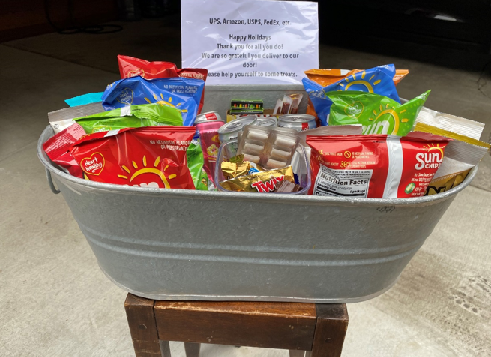
A neighbor left these treats out for UPS, Amazon, FedEx, and USPS employees to thank them for their fine work delivering packages. It inspired me to ask, How can I be more thoughtful and generous this holiday season?
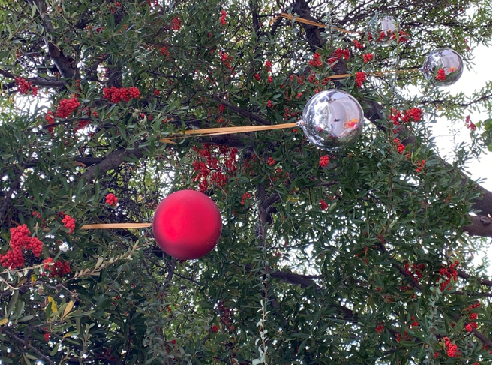
This made me smile. I love these trees, and have used their berries to make wreaths and floral arrangements throughout the 20+ years we’ve lived in Studio City.
I appreciate having neighbors who bring beauty and joy to our neighborhood—and I appreciate you for being part of my journey!
Happy Holidays. I’ll see you in the new year!
Blessings and gratitude, Bella Mahaya Carter
The definition of marketing is connecting with people in a human way and doing it as authentically as possible.
Writing can heal and transform lives.
Guest blogger Bella Mahaya Carter shares her
epiphany about newsletters and marketing.
Sometimes I want to lay down my ambition, hit cruise control, and glide through life. But as an author (and human being) there’s so much I don’t know and want to learn. Case in point: I had a wonderful experience publishing my memoir with She Writes Press. I’ve come close to selling out my 1000-book print run—except for a few boxes left in my garage, which remind me of this important fact: books don’t sell themselves.
The realization that I (along with most authors today) need to take responsibility for the business part of my writing life has been sobering—but also, surprisingly fun. I’ve been reading marketing books the way I used to read craft books as a young writer—inhaling them with wonder and awe. But these days, more than ever, authors are expected to sell their books, no matter how they publish. Knowing as much as we can about publishing and book promotion is essential for success, not to mention peace of mind.
Dan Blank, author of Be the Gateway, has been on my radar for years. His book sat on my shelf unread. When I finally picked it up a few weeks ago, I couldn’t put it down. Just as I was beginning to become curious about blogging and newsletters and wanting to understand these tools better, Dan offered a four-week workshop on this subject, so I signed up.
I didn’t expect what came next.
Dan had me evaluate my priorities, craft a mission statement, and get clear about what I was doing and why.
And then he challenged—disrupted—my ideas about author marketing.
Disruption is your friend.
I don’t know about you, but when someone tells me something that contradicts what I believe to be true, my default position is to become defensive. This makes learning difficult. But the reason we hire coaches and teachers is to learn from them. It made sense to set my ego aside and listen to, and at least try, Dan’s suggestions.
This instruction challenged me most:
Dispense with your fancy designed newsletter and send out a plain text email. Reach out to the people on your email list as a person, not a brand.
Publishing and book promotion are opportunities to deepen self-awareness, nourish meaningful connections, and delight in peak experiences while being of service.
I thought about how I paid my web designer to create a spiffy Mail Chimp template that reflected my brand, complete with banner, logo, and author photo. Dan said that I didn’t need these advertising bells and whistles.
But the thought of showing up without them—just me (as if I’m not enough without my “brand”)—made me nervous. I didn’t feel completely naked, but I definitely felt vulnerable—and scared.
That’s when I realized it was easy to hide behind the window-dressing of my newsletter/brand.
I asked myself: What do I like to see in my inbox? I had to stop and think about this. I knew what I didn’t like: anonymous advertising and people overwhelming me with information, offers, and promotions. By contrast, I realized that I looked forward to Dan’s emails, as well as others who regularly offer valuable insights (and free) advice and suggestions that enrich my life and work. People writing from their hearts about what they’re seeing and learning, and sharing their hard-earned discoveries with me. I savor this type of human connection. And then this became clear:
The definition of marketing is connecting with people in a human way and doing it as authentically as possible.
Many authors don’t realize that marketing can be as innovative and raw a process as writing. The difference is that instead of communicating just with yourself (and your higher power), you’re communicating with others. Sixteen (instead of the usual five or six) people on my email list replied to my first (experimental) plain text email. They responded with great ideas, conversation, and support. More people opened that email, too. And a few people even shared it with others! Hearing that made my day. Someone enjoyed what I wrote so much they felt compelled to share it! Amazing. I felt rewarded for my courage and grateful to Dan.
The deeper reason I hired him is that I’m working on a proposal for my new book, and although I have confidence in the material, I realize that my author platform may not be robust enough to attract a traditional publisher. And, regardless of how I publish, I want to learn more about finding and building an audience for my work.
The title of my new book is Where Do You Hang Your Hammock: How to Find Freedom and Peace of Mind While You Write, Publish, and Promote Your Book. Between the books I’m reading, the Nonfiction Writers Conference I attended last week, and the work I’m doing with Dan, my mind is flickering with marketing ideas. For example, I heard that there’s a “National Hammock Day,” which “commemorates the universal symbol for relaxation.” Who knew? Perhaps publishing my book on or near this date might provide publicity opportunities.
Although my book is geared toward writers, its message of resilience, flexibility, and cultivating freedom and peace of mind extend well behind this niche. Several ideas come to mind: I could write and pitch stories about relaxation to media outlets when my book launches—and every year after on my book’s “birthday.” I could reach out to special sales clients for bulk sales. Maybe writing associations, organizations, nonprofit groups, or even writers’ clubs might want to purchase copies to give to their author-members as a welcome or thank you gift. The possibilities are fun to consider.
I’m not saying I’ll never send out another designed newsletter, but for now I’m challenging myself to show up “plain”—just me and my thoughts about my unpredictable journey, in conversation with beloved readers and friends. One of the things I discovered while speaking to a writing colleague recently is that I’ve spent too much of my life hiding and trying to look good and it’s time to stop and just be me.
Here’s the mission statement I wrote for Dan’s class:
I believe in the power of writing to heal and transform lives, and I view publishing and book promotion as opportunities to deepen self-awareness, nourish meaningful connections, and delight in peak experiences while being of service.
Dan also encouraged me to get clear about my blog’s subject matter, which wasn’t hard to nail down. My blog explores intersections between the writing life, spirituality, and personal transformation and growth. That’s what my new book is about, too. I want to give this project its due. I want to give it space, let it breathe. I’m not in a hurry.
Is this easy? No! Does it diminish your overall creativity and writing output? No! Does it make you immune to vulnerability? No! But, honestly, I wouldn’t want to live any other way. I’m human. I vulnerable. I’m afraid. I take chances. And I sometimes fall on my ass.
There’s no one right way for authors to market their books. What works for one person may not work for another. The key, as I’ve said, is to come from your heart and to be authentic.
While visiting the Descanso Gardens, I took this photo. Bridges literally connect us from one place to another. They are also great metaphors for psychologically transporting us from where we are to where we’d like to go. People can be bridges. So can unexpected situations or sudden insights. While writing this post, it occurred to me to do some additional, authentic marketing by putting my memoir on sale for the holidays.
My memoir, Raw: A Midlife Quest for Health and Happiness, is available for $9.99 (no tax and free shipping)—if you buy it directly through my website. I’d be happy to sign the book to you or a friend or family member before mailing it. This offer is good through December 21. If you haven’t ordered a copy yet, please do. And if you read and enjoyed Raw, please consider buying a copy as a holiday gift. Your support means more than I can say.
[Note from Marlene: Raw is excellent. I have learned from it personally and have given it as gifts.]
Bella Mahaya Carter is a poet, author, teacher, and coach. In 2008 Bombshelter press published her poetry book, Secrets of My Sex. Her poems, stories, essays, and articles appear in dozens of print and online journals. A practicing Spiritual Psychologist, whose mission is to heal herself and others through creative work, Bella serves clients around the world with her transformational classes, workshops, and coaching.
Guest Blogger Jenn Gott writes about 3 Inspiring Ways to Unlock the Book Inside You.
Does this sound familiar: You’ve always been drawn to writing and have a mind brimming with ideas. You’ve always loved the idea of holding a book you have written — but somehow, despite all your best intentions and New Year’s Resolutions, it just hasn’t happened.
Or maybe you’re a writer who has started a thousand writing projects, only to abandon them all within a few pages. Perhaps you’re not even sure if you want to be a writer, but you’ve always wanted to write a children’s book for your kids.
Maybe you’re a poet, or a copywriter, or a journalist,
and there’s a book you know you could write, if you just find the right words inside
you.
Maybe, maybe, maybe. One day.
The trouble with “one day” is that it doesn’t exist — each day, there’s only today. Which is why I’m bringing you the three best practices that I’ve found to unlock and supercharge creativity. It doesn’t matter whether you’re a beginner who has always wanted to tell your story, or a seasoned pro who’s gotten mired in delays, worries, and self-doubt. Either way, these habits will have words flowing in no time.
1. Find your community
From National Novel Writing Month (NaNoWriMo) participants to your local writer’s group to authortube, it’s important to find your people wherever you can. Support is everything on your journey toward finishing a book, and it will inspire you more than anything else. To start, identify what kind of groups appeal most to you. Would you prefer to interact online,where you can hang out in your pajamas and reply at your leisure? Or would getting out of the house and seeing people face-to-face reinvigorate you? Are you interested in a classroom setting, a critique circle, or just some supportive friends who will provide lively discussion? Do you want to learn from people who are much more experienced than you, or strive together with peers at your skill level?
Don’t feel you need to limit yourself to only one group.
There’s nothing to keep you from making writer-friends on Twitter, and in
person at bookish events, and through workshops. In fact, the more avenues you
explore, the more likely you’ll find “your people.” Consider going to
conferences, book signings, and events at your local library.
Your community doesn’t need to be all writers. While it’s important to know some — to understand exactly what you’re going through, and bounce ideas off each other — a supportive and understanding friend or partner can go a long way. As you seek out connections, make sure to you surround yourself with people who believe in you. Remember, helpful and constructive criticism is good — how else can you learn the skills you’ll need to edit your book to perfection? But ragging on you and your work is toxic for everyone involved.
2. Fill your creative well
Sometimes the reason we’re not writing is simply that
we’re emotionally tapped out. There are many factors that can cause creativity
to dry up — everything from stress to poor mental health, to overwork, fatigue
or illness, and creative burnout. And while it may feel silly to take time off
to recharge if you haven’t been writing lately, sometimes that’s exactly what
you need to do. Think of it like an arrow: pulling back first, in order to
shoot forward.
It’s important to make sure you’re recharging the
right way, though. Scrolling through social media may be satisfying, but is it
really going to inspire you to sit down at your laptop and write? Or would that
time be better spent going for a walk, seeing a play, or reading an exquisitely
written book?
If you’re having trouble writing, take a minute to sit
down and make a list of the things that energize you — physically, mentally,
and creatively. Maybe plays aren’t your thing, but poetry is. Maybe a walk
exhausts you, but yoga centers your mind. It really doesn’t matter what it is (truth
be told, sometimes a movie or a video game inspires me). You just need to walk
away from it refreshed, rejuvenated, and ready to tackle your big creative
project.
However, be careful not to let this turn into further
procrastination. Remember, the point of these activities is to inspire you, not
consume you. Always take a few minutes afterward to reflect on which parts of
the experience spoke to you, and how you might use similar themes, moods, or ideas
and blend them into your own work — or which mistakes you’ll want to avoid.
3. Create your own writing retreat.
Of course, we’d all love to go to a week-long retreat at a fancy cabin in the woods, but for many of us that simply isn’t an option. Luckily, there are ways to recreate the retreat feeling without venturing far from home or taking a lot of time out of your busy schedule.
First, start by identifying any and all locations near
you that might offer some peace and solitude. This can be as simple as locking
your bedroom door, or as elaborate as a nice hotel nearby where you can book a
room for a night or a weekend. Coffee shops, parks, or trains, and subways can
do the trick, especially with a good pair of headphones! The point is to find
someplace where you can block out thoughts of the outside world, including all
your daily responsibilities. If you’re lucky enough to have a home office or a
“room of one’s own,” try to find someplace else for your retreat — someplace
you don’t work in every day.
Next, consider what approach would best make that
space feel more “writerly.” Would music help you, and if so, what kind? Would
you feel more soothed with a soft blanket, a hot water bottle, or a big glass
of wine? Candles, fairy lights, or other mood lighting can also help set the stage
of your imagination. Remember, the point of this is to feel pampered, so don’t
skimp on the creature comforts.
Once you’ve identified where you’re going to take your
“retreat” and how you’re going to cozy it up, the final step will be
scheduling. This is, admittedly, the hardest part of your task, but with a bit
of effort you can make it work. Try to block out a whole day, although even a
few hours will be a huge boost.
For magically productive people, just showing up might
be enough to get the words flowing. For the rest of us, it might take a little
more work, and a few handy tips and tricks. If you find yourself frozen at the
prospect of getting started, consider freewriting as a warm up.
Still unsure what to write about? Writing prompts might just be the kick your brain needs.
Whatever you do, don’t stress out if your first
“retreat” isn’t as fruitful as you’d imagined. Any progress is still progress,
and the more often you repeat the writing habit — in any environment— the
faster your creativity will kick into gear.
Above all, remember: only you can tell your story. So,
what are you waiting for? Get out there and tell your story. Today.
Jenn Gott is an indie author and a writer with Reedsy, so she basically spends all her time either writing books, or helping people learn how to write books. She firmly believes there is no writing skill you cannot learn with practice and the right guidance. When she’s not working, she enjoys keeping up with the latest superhero movies, reading, and swimming.
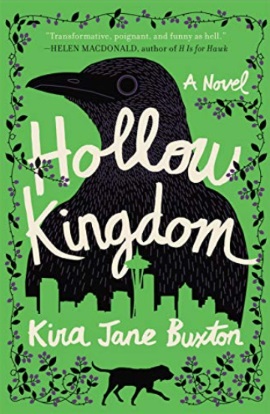
I read about author Kira Jane Buxton in the Breaking In column, Writer’s Digest, October 2019 issue. I especially appreciate what she worked through to realize “. . . letting go of outside expectations while writing Hollow Kingdom afforded me the freedom to take great risks.”
Her advice for writers: “Just have fun with it. Write the
thing that’s burning inside you.”
I enjoyed reading about her writing journey. I hope you
will, too.
Kira Jane Buxton
I had a solid ten years of professional rejection under my
belt by the time I realized I wanted to be a writer. Ten years of trying to
ignite an acting career and an art career, seemingly with a broken match and
wet kindling. A creative writing class at Santa Monica College (a gift from my
husband that I deferred for a year because I was petrified) got my blood
pumping and made me realize that all along, what I’d wanted to do was bring
characters to life, and it didn’t have to involve the grueling audition
process. I realized I wanted to write a book, and—since I’ve always believed
that a dream should never be burdened with limits or stipulations—I wanted to
publish that book. To be very brave and share my words with the world.
I wrote my first novel, painstakingly tapping it out on an
iPad because I’d saved up for one and it made me feel fancy. It was, in line
with many a first novel, not spectacular. The plot was exciting, but I hadn’t
yet found my voice. It was, however, filled with passion and something that can’t
ever be phoned in—a writer’s enthusiasm for writing itself. I queried agents
with this novel to a response like the chirping of crickets (I should mention
that the query itself was absolutely horrendous and started with, “Dear Agent, The
leg is human.”)
No stranger to recovering from a letdown, I picked myself up
and wrote a memoir about a strange experience I had while living in LA (one of
a great many strange experiences I had in Hollyweird, La La Land). I queried
agents again, this time with some interest. An agent who reps one of my
favorite authors wrote back, saying that while she felt the book didn’t work,
she loved my writing and could see this memoir fictionalized as a humorous
mystery series. Huzzah! I jumped back into the saddle and spent the next year
rewriting the novel. I sent it back to the agent who felt that it was on its
way, but still needed work. I hired two great independent editors (working with
them separately). I edited this novel for many, many more months. In fact, I
edited it into the high heavens. I edited it into oblivion.
One day, I opened up my document and couldn’t see a word of
this novel I’d worked so very hard on. I took breaks and would come back to it,
only to discover I still couldn’t see it. Ever the optimist, I decided that I
should write the sequel to this novel I was blind to! I wrote the sequel, came
back to open up the document, and still couldn’t see it.
The words no longer felt like my own. And I had to admit
that I’d lost the novel, that it was well and truly dead. Things with the agent
fizzled out, and years of work suddenly seemed like a phenomenal waste of time.
I fell into despair. All the rejection I’d ever experienced
(which was, frankly, all I’d ever experienced) came crashing down on me. I
cried a lot. I figured I’d never achieve anything creatively. I often make
light of this time, because that’s how humorists cope with difficult times, we
transmogrify them into manageable jokes—but it was incredibly hard.
It was my husband who told me to “go and write the thing
about the crows.” I love crows. I’m an animal lover and spend time with two
wild crows daily, they’re family to me. My husband then gave me the best
writing advice I’ve ever had. He said, “Just have fun with it. Don’t write it
with an expectation of getting an agent or getting published, just write for
you.” I took his advice to heart. I wasn’t sure how to write about crows, but
one day, while driving, it hit me. “What if a crow is telling the story of our
species? And what if a crow is telling the story of our extinction?” I got
goosebumps. I raced home and wrote the first chapter, from the perspective of
S.T., a domesticated crow who loves humans. His language was fouler than I’d
anticipated or ever imagined writing (and certainly couldn’t see getting
published!), even his name is an expletive. I poured my passion into the book—my
deep love of animals and an exploration of how disconnected we’ve become from
the natural world (which is frankly, the only world we have). It was an
environmental parable filled with humor, horror, adventure, facts about nature,
and poop jokes.
I braved reading the first chapter to my writing group, who
encouraged me to query this novel I called Hollow Kingdom. And then I
was flying out to New York to interview the agents who had offered me
representation. I signed with Bill Clegg of The Clegg Agency and we sold Hollow
Kingdom at auction to Grand Central Publishing. It is being translated into
many different languages and AMC have optioned the rights for a TV series.
I don’t believe that words are ever wasted. The novels in
the drawer are essential to our process and should be cherished, whether they
get published or not. No one should ever be made to feel ashamed about their
ambitions and dreams—the bigger, the better, I say—but those external goals
shouldn’t be the only reason you’re writing. They can be motivating and used as
fuel, but they shouldn’t be the core reason you share your words. Write the
thing that’s burning inside you. Write your story, no matter how weird or
different or afraid you are to tell it. There are currently 7.7 billion people
on earth and you’re the only one who can tell us your tale. Enjoy the journey
as much as you can. Now that I’m on the other side of publishing a book, I can
tell you that the most magical part of the whole process is still sitting down,
tuning out the real world, and exploring the creative dance between mind and
page. Take breaks when it’s hard and be careful of over editing. Know that you
are always going to be the leading authority on your writing. Build community.
Be kind to other artists, especially because you know how tough the process can
be. Reciprocity is everything, when one writer does well, celebrate, it’s a
victory for all of us. Above all, just have fun with it. Every editor who made
an offer on Hollow Kingdom said that they could feel what an incredible
time I had writing this novel. I stopped trying to be the writer I thought I
should be. I let go. Energy is everything and everything is energy. Take the
pressure off yourself and trust that when you are in the flow, when you let go
of your chokehold on an outcome, your very best writing will take you places,
literary and literally, you could never imagine.
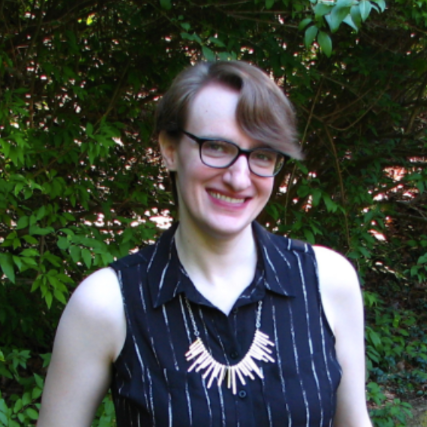
Kira Jane Buxton’s writing has appeared in The New York Times, NewYorker.com, McSweeney’s, The Rumpus, Huffington Post, and more. She calls the tropical utopia of Seattle home and spends her time with three cats, a dog, two crows, a charm of hummingbirds, and a husband.
Today’s
brilliant post is by Nancy Julien Kopp:
I’m a
proponent of starting with small projects and moving on, step by step, to the
bigger ones. Many writers dream of publishing a novel or a full book memoir.
Some will start out their writing journey by beginning the pursuit of that
dream immediately. It’s fine to have a worthy goal, but diving in the deep end
before you know how to swim can bring big problems.
Start small.
Write a personal essay or memoir about an occurrence, something that happened
and had some meaning for you. Later, it might become a part of the book you
hope to write. Those little snippets of memoir can grow into something much
larger, as can your personal experiences that taught you a lesson, as we see in
personal essays.
Novelists can
practice their skill by writing short stories before attempting a full novel.
Lots of short stories. Use all the tools you have as a writer to write a good
short story, then submit it. If you have some success in selling your short
stories, it could very well be time to begin writing the novel you’ve been
thinking about for a very long time.
Many writers
want to start with the big project, to write a memoir or a novel before writing
anything else. They have read many books. How hard can it be? Some will begin
by reading a book or two on writing novels (or memoirs), and that’s fine.
Others will not bother with reading a book about how to write a novel. They’ll
start with chapter one, page one. A few might do very well with this method,
but most are going to run into one roadblock after another. At some point, the
whole thing could become overwhelming.
If that
happens, step back and work on smaller projects for a while. Read some of those
reference books on writing a memoir or novel. Attend a workshop about the same.
Talk to other writers. Gather all the information you can before you tackle
that big idea.
One of my
keywords is patience. Don’t be in such a hurry to tackle the big game
plan. Take your time, learn as you go, but continue to keep the original goal
in mind. Start on the big scheme when you feel ready. With some success at
smaller projects, you’ll have some confidence in your ability to take on the
big one.
Nancy Julian Kopp has been published in 22 Chicken Soup for the Soul books, several anthologies including The Write Spot: Possibilities, newspapers, magazines and ezines. Her writing includes award-winning fiction for children, creative nonfiction, poetry, travel and personal essays. She was named Prose Writer of the Year in 2013 by the Kansas Authors Club.