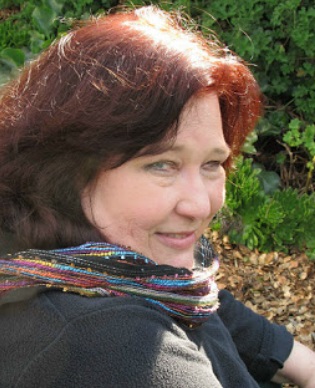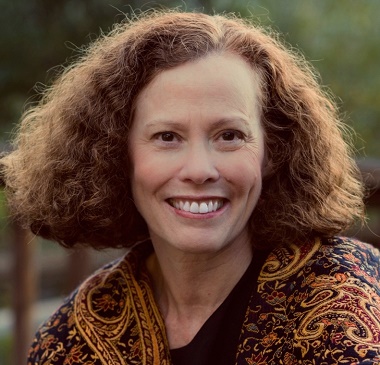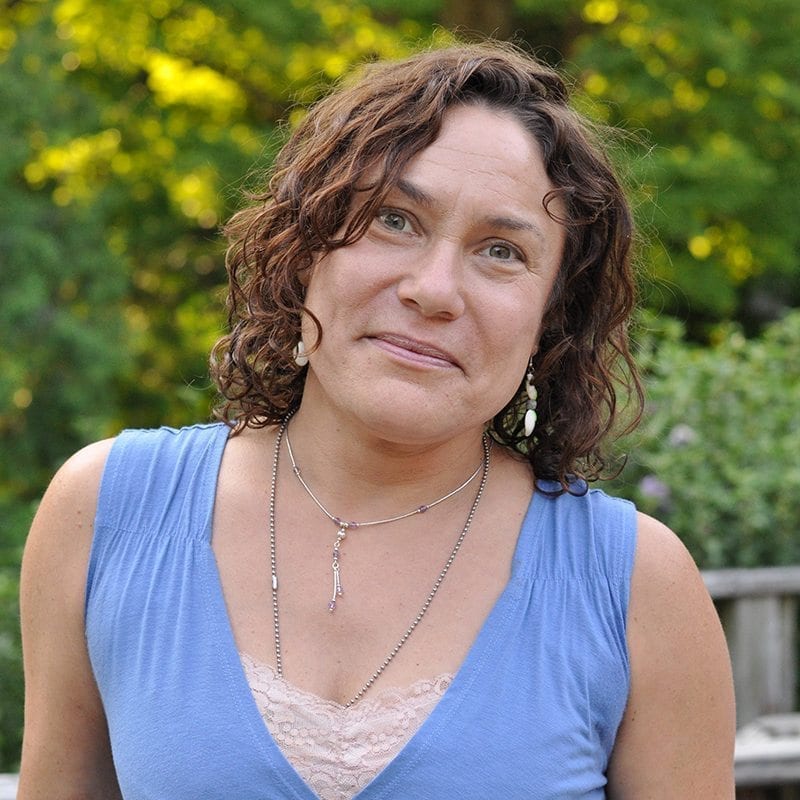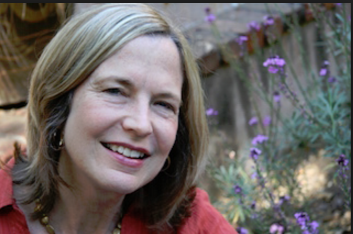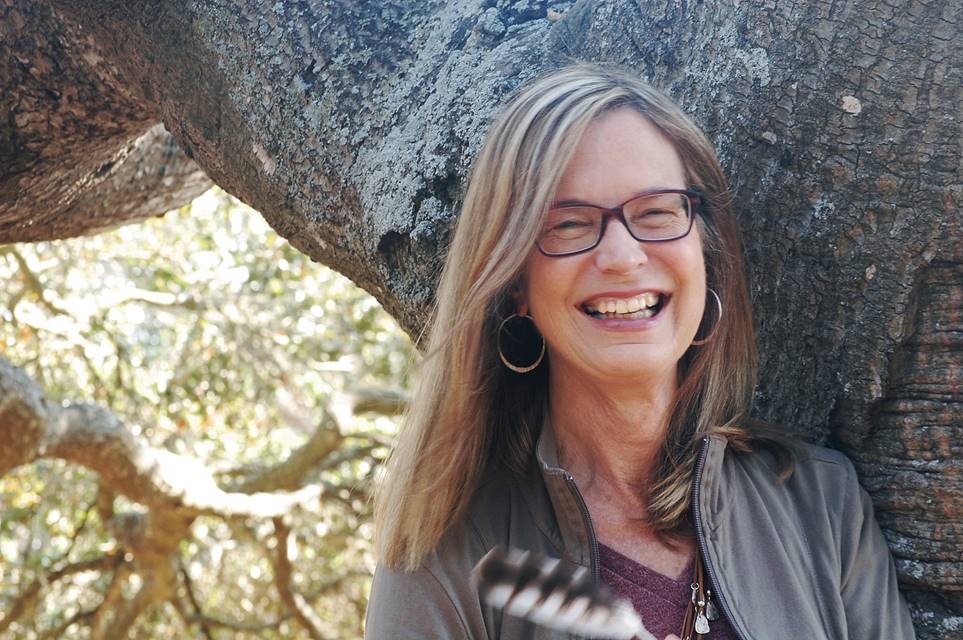
Guest Blogger Frances Lefkowitz

  • Today’s guest blogger, Frances Lefkowitz, writes about the importance of family stories and keeping memories alive.

    Telling stories ‘round the table, can increase well-being, reduce anxiety and depression, reinforce feelings of closeness among family members, and build resilience for navigating life’s normal ups and downs.

    Stories about something good coming from something bad are particularly therapeutic.

    When something bad happens, but you find a way to use it to your advantage, you redeem (and transform) the negative experience.

    The tales need to be structured, with a beginning, a middle, and — most crucial — an end, a conclusion that makes sense of the situation and gives it meaning.

    Tips for getting the storytelling started:

    1. Share photos: Albums, yearbooks, holiday photos, loose photos in shoeboxes.

    2. Start and continue traditions. Rituals contribute to stories.

    3. Share stories during mealtimes.

    Frances Lefkowitz has spent over twenty years writing and publishing.

    The author of two biographies and a memoir, To Have Not, about growing up poor in 1970s San Francisco. 

    Frances leads popular writing workshops, and has developed a self-editing technique that she teaches to writers so they can revise and edit their own work. As founder and director of the grant-funded Community Memoir Project, she brings free memoir-writing workshops to public libraries and community centers, and publishes anthologies of these under-represented voices.

    Frances finally making it down the face of an 8-footer in Costa Rica, after getting dumped over the falls approximately 50 times. Practice makes perfect, in surfing and in writing.

  • Today’s guest blog post is excerpted from Anne R. Allen’s Blog… with Ruth Harris. Writing about writing. Mostly. 

    Book length memoir is a hard sell, but short essays can be a goldmine.

    Memoir is the most popular genre at any writers’ conference.

    Unfortunately, it’s the hardest to write well—and the least likely to be successful if you’re an unknown newbie writer.

    That’s because book-length memoir isn’t likely to become a bestseller unless people already know who you are.

    So how do you get people to know you? You could become a reality TV star, run for political office, or be related to somebody who marries into the British royal family of course, but not everybody has that option.

    You can also work to get yourself known through social media, which I recommend for all memoirists.

    Start a blog, podcast, or vlog on the subject or setting of your memoir and put some serious effort into promoting it through social media (also known as “building platform”).

    It also helps to publish short memoir pieces and personal essays in traditional venues. If you’ve been working on that memoir a while, you probably have the material mostly written in the form of a book length memoir.

    With a few tweaks, your excerpts can become publishable personal essays.

    And the good news is, those short pieces can pay very well. Look at the fantastic success of anthologies like the Chicken Soup series. And if you get into an anthology along with some well-known authors, you’ll establish a fanbase that would take years to garner with a solo book release.

    To read Anne’s entire blog post, including “Tips on Getting An Audience for Your Blog” and an essay by award-winning author and editor Paul Alan Fahey on how to expand a scene from your memoir (or directly from your life) into a flash memoir piece or personal essay, click on: Writing Memoir that Sells: Think Outside the Book!

  • helen-sedwickGuest Blogger, attorney Helen Sedwick, writes:

    Memoirists are the bravest of writers.

    In exploring the journeys of their lives, they delve into the private (and imperfect) lives of others. Can a memoirist write about surviving abuse without getting sued by her abuser? Can a soldier write about war crimes without risking a court-martial?

    Yes, but a cool head is key.

    Considering the thousands of memoirs published each year, there are relatively few lawsuits. Claims are difficult and expensive to prove. Most targets don’t want to call attention to a matter best forgotten.

    However, it’s important for memoir writers to be aware of the legal risks. You can’t avoid risk 100% of the time, but you can learn to take the ones that are important to your narrative arc and minimize those that are not.

    What is Safe Territory?

    You may write about a person in a positive or neutral light. For instance, you don’t need permission to thank someone by name in your acknowledgments or to mention non-controversial information, such as the name of your fifth-grade teacher.

    You may use historical names to establish context. If you are writing a memoir about the summer of 1969, you may mention Neil Armstrong and the moon landing and talk about your crush on Cat Stevens or Grace Slick.

    You may speak ill of the dead. Claims of defamation and privacy die with a person.

    When to Start Worrying?

    When you are publishing information about identifiable, living people and that information could be seriously embarrassing, damaging to their reputation, or subject them to public hatred and score, then you need to consider the risks of defamation and invasion of privacy. I am not talking about portraying your mother-in-law as bossy; I am talking about portraying your mother-in-law as a drug dealer.

    Here’s a quick summary of United States law. (The laws of other countries are more favorable to the targets.)

    Defamation

    To prove defamation, whether libel for written statements or slander for spoken ones, a plaintiff (target) must prove all of the following:

    False Statement of Fact:

    If a statement is true, then it is not defamatory no matter how offensive or embarrassing (although privacy issues must be considered, as I discuss below). Opinions are protected because they are not “facts.” If you post a restaurant review stating a meal was so bad you gagged, that is an opinion. But one restaurant critic was sued for saying a stringy steak tasted like horsemeat. The plaintiff claimed the reference to horsemeat was a statement of fact and not a colorfully stated opinion. Satire is not defamatory if the absurdity is so clear that a reasonable person would not think the statement is true.

    Of an Identifiable, Living Person, Group, or Company:

    A defamatory statement must contain sufficient information to lead a reasonable person (other than the target) to identify the target. Typically, the target must be a living person, but organizations have sued for defamation. Oprah Winfrey was sued by a group of Texas ranchers after saying she had sworn off hamburgers because of mad cow disease. (Oprah won the case.)

    That is Published:

    One person (other than the target) must read or hear the statement.

    Causes reputational harm:

    The statement must be more than offensive, insulting, or inflammatory. It must “tend to bring the subject into public hatred, ridicule, contempt, or negatively affect its business or occupation.” Statements involving crimes, loathsome diseases, professional incompetence, corruption, impotence, or promiscuity are automatically considered harmful.

    Made With Actual Malice or Negligence:

    If the target is a public figure, then the target must prove the statement was made with actual knowledge that it was false or with a reckless disregard for the truth. If the target is against a private individual, courts generally require some carelessness or fault by the writer.

    Invasion of Privacy Claims

    Even if you publish the truth, you may still be sued for unauthorized disclosure of private facts if you disclose private information that is embarrassing or unpleasant about an identifiable, living person and is offensive to ordinary sensibilities and not of overriding public interest.

    Private Information:

    The target must have a reasonable expectation of privacy. Any conduct in public is not protected, particularly today when everyone carries cameras in their pockets. Conversely, there may be issues your family doesn’t talk about, such as your uncle’s drinking problem, that are not private if your uncle has been convicted in public court of DUIs.

    That is Offensive:

    The disclosure must be more than embarrassing; it must be so offensive that it harms a person’s personal and professional reputation. Typically, these cases involve incest, rape, abuse, or a serious disease or impairment. Sex videos have triggered a number of suits.

    And Not of Public Interest:

    Even if the information is highly offensive, courts often decide there is no legal liability if the information is of public interest. Public interest does not mean high-brow or intellectual. Gossip, smut, and just about anything about celebrities is of public interest. Frequently, courts find stories of abuse and incest to be of public interest if they are disclosed by the victims. Judges and juries are not sympathetic when the perpetrator makes a privacy claim.

    And Unauthorized.

    You can avoid these issues by getting permission from people appearing in your memoir. An email will do. But avoid giving someone the right to approve your manuscript. It’s your story. If your sister remembers the past differently, she should write her own memoir.

    Other Privacy Limitations

    Ask yourself whether you are subject to other limitations.

    • Does your profession impose a duty of privacy? As an attorney, I cannot use confidential information about a client even if I mask the identity. Same for therapists, doctors, medical care givers, accountants, and other professionals.
    • Are you are a trustee/guardian for a third party or a minor? Then you have a duty not to cause harm to that person by disclosing private information.
    • Would your memoir disclose trade secrets or classified information?
    • Have you signed a confidentiality agreement? If you were a party to a dispute settled out of court (including a divorce settlement), your settlement agreement probably contains nondisclosure and non-disparagement clauses.

    If any of these apply to you, consult with an attorney about your options.

    How to Reduce Your Risks

    • Memories are subjective and evolve over time. Verify your memory with research and interviews. Retain records to support your statements.
    • Don’t say someone is criminal, sexually deviant, diseased, or professionally incompetent or use labels such as crook, pervert, or corrupt. Instead, stick to verifiable facts and your personal, emotional responses. Show, don’t tell. Let your readers come to their own conclusions.
    • Ask yourself how important the information is to your narrative arc. Judges and juries can be moralistic and will punish someone who discloses private information gratuitously or maliciously.
    • Rely on publicly-disclosed information, such as court documents and news reports wherever possible.
    • Consider changing names, physical characteristics, and settings so targets are not identifiable to the average reader. Using a pen name will also help.
    • Wait until your targets have passed away. (Okay, most of us don’t want to wait.)
    • Add disclaimers. I give some samples in Book Disclaimers Don’t Have to be Boring.
    • Get written consents and releases.
    • If accused of a defamatory statement, consider publishing a retraction.
    • Engage an attorney to review your manuscript.
    • Always reach for the truth when writing—it’s the best defense.

    And most importantly, keep a check on your motives. Publishing a memoir is not a chance to get even with somebody by skewering them like a voodoo doll. A memoir is about you, the writer. It’s an opportunity to explore your heart, your character, and your truth.

    To learn more about minimizing the legal risks of memoir writing, download my presentation at Fall 2016 Telesummit: The Heart and Soul of Memoir Audio Downloads.

    Helen Sedwick is an author and California attorney with thirty years of experience representing businesses and entrepreneurs. Publisher’s Weekly lists her Self-Publisher’s Legal Handbook as one of the top five resource books for independent authors.

    Helen’s blog coaches writers on everything from saving on taxes to avoiding scams.

    Disclaimer: Helen Sedwick is an attorney licensed to practice in California only. This information is general in nature and should not be used as a substitute for the advice of an attorney authorized to practice in your jurisdiction.

  • “Are your parents still speaking to you?” The Dangers of Memoir

    Guest Blogger:

    “Are your parents still speaking to you?”

    This question—a darn good one—comes up pretty much every time I do a Q&A. The short answer is “Yes.” My parents and siblings are all still talking to me; we still get together for holidays and birthdays and no blood gets shed. But this is not the case for other memoirists; I know several who are estranged from their families. Discussing family matters, revealing secrets, shining light on our most vulnerable and tragic moments including bad behavior or naive mistakes, and getting just our version into print, so it sounds like the official word on the subject: If this is what we do when we write memoir, then offending the people in our lives is one of our occupational hazards.

    The long answer is that this question is a great opportunity to discuss the distinction between the process of writing a memoir or personal essay and the process of publishing one. When writing, I don’t think about anyone, such as my parents, reading it, because I need to write freely and allow the thoughts, feelings, and images to emerge. Censorship in any form, including self-censorship emanating from a fear of hurting someone, hampers the creative process. But publishing–making this writing public–is a whole other story. When you get to the publishing stage, however, you have some decisions to make about what you are willing to reveal and risk in your life, for the sake of your art. When the memoir manuscript I’d been writing for ten or so years was finally about to become a book, I realized with a shudder that this was serious now, that the characters I’d been writing about were real people, with feelings and lives, that my looseness with words might accidentally hurt someone. So I gave it another close read, ignoring plot problems, repeated phrases, and awkward-sounding sentences to look solely at how I had portrayed the people in my life, especially the ones I wanted to remain in my life. Were there places where I tossed off a flip, and not really accurate, remark for the sake of humor or malice?  If so, was the result—a laugh, a cringe—worth the risk of insulting a real person? Sure enough, I found spots here and there throughout the book that felt rude, possibly hurtful, and most of them were not very entertaining or even very true. Many of these spots involved ex-boyfriends, some of whom I still love. Editing out insults turned out to be no sacrifice to the art of the work. What I nipped and tucked did not hurt the veracity of the memoir, and may even have improved it, because I applied an extra layer of empathy. And empathy is so crucial to a good memoir—and to good relationships, and to family Thanksgivings in which everyone comes out alive.

    Frances Lefkowitz is the author of TO HAVE NOT, a memoir about growing up poor in 1970s San Francisco which was named one of 5 Best Memoirs of 2010 by SheKnows.com. An award-winning and much published writer of fiction, personal essays, memoir, and flash fiction, Frances is also an editor, writing coach, and writing workshop leader. The former Senior Editor of Body+Soul magazine (aka Martha Stewart’s Whole Living), Frances is the book reviewer for Good Housekeeping and a manuscript reader for a leading literary agency. She blogs about writing, publishing, and footwear at PaperInMyShoe.com.    

  • B Lynn Goodwin

    What Would You Do With a Goal and a Deadline?

    Guest Blogger:

    NaNoWriMo, www.nanowrimo.org, invites you to draft a 50,000 word novel in one month. I’m doing it for the second time, and I’m going for higher word totals than the 1667 suggested daily allotment. I just want this first draft out of my head. I want material to work with.

    Not a fiction writer? You can still achieve a 30-day goal with memoir, biography, or any other form of non-fiction thanks to author and writing coach Nina Amir’s WINFIN, http://writenonfictioninnovember.com/about-2/. WINFIN (Write Nonfiction in November) is “an annual challenge to create a work of nonfiction in 30 days.”

    The rules are simple: Decide what you’re going to complete and go for it. You can create “an article, an essay, a book, a book proposal, a white paper, or a manifesto” The program “operates on an honor system…no word counts logged in here. It’s a personal challenge, not a contest.” Simply describe the nature of your project and come back at the end of the month and say how you did.

    Working on a memoir? Guest blogger Dennis Ledoux provides a day- by-day guide that conveniently runs for 30 days: http://writenonfictionnow.com/how-to-write-your-memoir-in-30-days-2/. November 1 is an arbitrary start date, of course. Pick your own starting day, but pick it soon, and commit yourself to working on the project for the next 30 days. Need weekends off? Commit yourself to working for the next 40 days.

    The author of the bestselling How to Blog a Book: How to Write, Publish and Promote Your Work One Post at a Time (Writer’s Digest Books), Nina Amir is a nonfiction editor, proposal consultant, author and book coach, and blog-to-book coach with more than 34 years of experience in the publishing field.

    The other day I thought about starting a National Journaling Month. Journaling primes the pump and greases the wheels. It gets writers started. It helps them dig deeper into their thoughts and find multi-dimensional truths. Participants in the National Journaling Month could record daily events, track their eating or exercising or arguing behaviors, analyze and resolve a decision about school or work or parenting, derail a negative thought pattern, or celebrate the joys of life. Journaling is an outstanding preparation for any writing project. It helps you figure out what you really want to say.

    Journaling for 30 days can achieve its own set of miracles, just like completing a non-fiction project or even writing a 50,000-word novel. Set a goal. Then share it with a community of writers. You’ll never know what you can accomplish if you dream of writing instead of actually doing it.

    B. Lynn Goodwin is the owner of Writer Advice, www.writeradvice.com, and the author of You Want Me to Do WHAT? Journaling for Caregivers, available on Amazon. Her stories and articles have been published in Voices of Caregivers; Hip Mama; the Oakland Tribune; the Contra Costa Times; the Danville Weekly; Staying Sane When You’re Dieting; Small Press Review; Dramatics Magazine; Career; We Care; Thickjam.com, Friction Literary Journal, and The Sun.

    A former teacher, she conducts workshops and writes reviews for Story Circle Network and InspireMeToday. She’s working on a YA novel and brainstorming a memoir.

  • I’m trying to figure out . . .

    Susan Bono, Queen of Personal Essays suggests this prompt


    Susan Bono

    Prompt #19

    I’m trying to figure out how I feel about _________.

  • Simple Structure for Building the Essay

    Guest Blogger:

    Continuing with Guest Blogger, Susan Bono, here are building blocks for writing personal essay, or memoir.

    Character: you

    Problem: give yourself a problem

    Struggle: problem creates conflict

    Epiphany: after struggle, a flood of new understanding

    Resolution: what you do differently as a result

    Many essays begin with a clear, straightforward statement of intent. All essays have an implied thesis and should have a clear angle —a particular way of approaching and narrowing the subject matter.  For example, notice how the following statements could shape your narrative from the start.

    I want to tell you how ______________changed my life. (Universal statement: this is the basic scaffolding for every personal essay)

    I learned about ________from ___________.

    I thought I would never learn to love ____________.

    We’ll continue this exploration of personal essay and memoir over the next few days with intriguing writing prompts suggested by Susan Bono.

  • What is personal essay?

    Guest Blogger:

    When you’re writing personal essay or memoir, it’s helpful to keep these words by Vivian Gornick in mind: “Good writing has two characteristics. It’s alive on the page and the reader is persuaded that the writer is on a voyage of discovery.” (Vivian Gornick, The Situation and the Story)

    Remember, too, that readers want to feel as if they know WHY you are telling your story. It’s not enough for the incidents you’re describing to be exciting or scary or hilarious. Your readers want to know how those events changed you. At the heart of every personal essay is this basic purpose: “I want to tell you how ______ changed my life.” When you attempt to communicate that intention, you are helping your essay become a “quest for understanding and information.” (Lee Guttkind, founding editor of Creative Nonfiction)

    Once you understand that personal essay is what Tristine Rainer calls a “progression toward personal truth,” (Tristine Rainer, Your Life as Story) it’s time to ask yourself, “Who is my audience?” What is its age, educational level, knowledge of subject, ability to understand,  beliefs, habits, prejudices, etc.? How will your audience feel about your views on parenting or getting older or driving drunk? If your readers are unfamiliar with your subject or apt to disagree with your perspective, you’ll have the added challenge of opening their minds as you share your insights.

    This pause to analyze your audience might seem like a tedious extra step, because most of the time, you’re writing to an audience very much like yourself. But don’t forget that your readers don’t know who you are, who Fred is, when or where your story is taking place or any number of important facts unless you tell them! As Phillip Lopate says, “The personal essayist cannot assume that the reader will ever have read anything by him or her before, and so must reestablish a persona each time and embed it in a context by providing sufficient autobiographical background.” (Phillip Lopate, The Art of the Personal Essay.)  As you write, keep asking yourself what a complete stranger living in Topeka or Miami would need to know to get the most out of this particular story.

    Susan Bono, author of “What Have We Here: Essays about Keeping House and Finding Home,” brings wry humor, gentle guidance, and ever-evolving wisdom to the teaching of memoir and personal essay.

    A California-born teacher, freelance editor, and short-form memoirist, Susan has facilitated writing workshops since 1993, helping hundreds of writers find and develop their voices. She often writes about domestic life set in her small town of Petaluma. She and her husband have two grown sons and are former keepers of chickens.

    You can also find Susan’s writing in The Write Spot Books: Discoveries, Connections, Memories, Writing as a Path to Healing, and Musings and Ravings From a Pandemic Year.

    Watch for writing prompts inspired by Susan Bono over the next few days.  You can use these prompts to build your essay or memoir.