Prompt #18
I thought I would never . . .
Another prompt inspired by essayist Susan Bono.
Prompt #18
I thought I would never learn to love ____________.
Prompt #18
Another prompt inspired by essayist Susan Bono.
I thought I would never learn to love ____________.
Prompt #17
Today’s prompt inspired by Susan Bono.
I learned about ________from ___________.
Go. Now. Write.
Prompt #16
I want to tell you how ______________ changed my life. Prompt inspired by Susan Bono.
Fill in the blank. Write for 12-15 minutes about how something or someone changed your life.
Continuing with Guest Blogger, Susan Bono, here are building blocks for writing personal essay, or memoir.
Character: you
Problem: give yourself a problem
Struggle: problem creates conflict
Epiphany: after struggle, a flood of new understanding
Resolution: what you do differently as a result
Many essays begin with a clear, straightforward statement of intent. All essays have an implied thesis and should have a clear angle —a particular way of approaching and narrowing the subject matter. For example, notice how the following statements could shape your narrative from the start.
I want to tell you how ______________changed my life. (Universal statement: this is the basic scaffolding for every personal essay)
I learned about ________from ___________.
I thought I would never learn to love ____________.
We’ll continue this exploration of personal essay and memoir over the next few days with intriguing writing prompts suggested by Susan Bono.
When you’re writing personal essay or memoir, it’s helpful to keep these words by Vivian Gornick in mind: “Good writing has two characteristics. It’s alive on the page and the reader is persuaded that the writer is on a voyage of discovery.” (Vivian Gornick, The Situation and the Story)
Remember, too, that readers want to feel as if they know WHY you are telling your story. It’s not enough for the incidents you’re describing to be exciting or scary or hilarious. Your readers want to know how those events changed you. At the heart of every personal essay is this basic purpose: “I want to tell you how ______ changed my life.” When you attempt to communicate that intention, you are helping your essay become a “quest for understanding and information.” (Lee Guttkind, founding editor of Creative Nonfiction)
Once you understand that personal essay is what Tristine Rainer calls a “progression toward personal truth,” (Tristine Rainer, Your Life as Story) it’s time to ask yourself, “Who is my audience?” What is its age, educational level, knowledge of subject, ability to understand, beliefs, habits, prejudices, etc.? How will your audience feel about your views on parenting or getting older or driving drunk? If your readers are unfamiliar with your subject or apt to disagree with your perspective, you’ll have the added challenge of opening their minds as you share your insights.
This pause to analyze your audience might seem like a tedious extra step, because most of the time, you’re writing to an audience very much like yourself. But don’t forget that your readers don’t know who you are, who Fred is, when or where your story is taking place or any number of important facts unless you tell them! As Phillip Lopate says, “The personal essayist cannot assume that the reader will ever have read anything by him or her before, and so must reestablish a persona each time and embed it in a context by providing sufficient autobiographical background.” (Phillip Lopate, The Art of the Personal Essay.) As you write, keep asking yourself what a complete stranger living in Topeka or Miami would need to know to get the most out of this particular story.
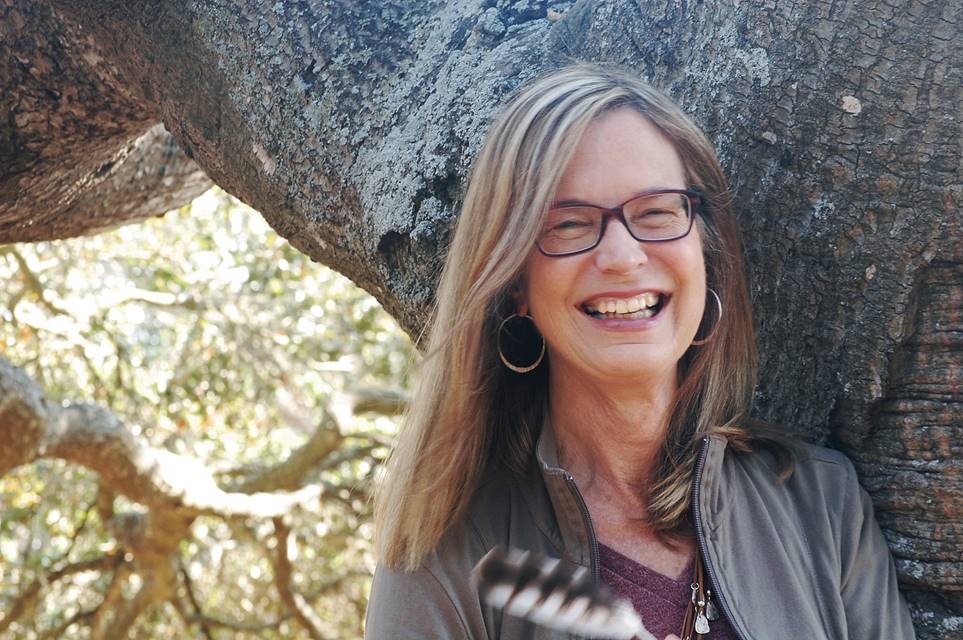
Susan Bono, author of “What Have We Here: Essays about Keeping House and Finding Home,” brings wry humor, gentle guidance, and ever-evolving wisdom to the teaching of memoir and personal essay.
A California-born teacher, freelance editor, and short-form memoirist, Susan has facilitated writing workshops since 1993, helping hundreds of writers find and develop their voices. She often writes about domestic life set in her small town of Petaluma. She and her husband have two grown sons and are former keepers of chickens.
You can also find Susan’s writing in The Write Spot Books: Discoveries, Connections, Memories, Writing as a Path to Healing, and Musings and Ravings From a Pandemic Year.
Watch for writing prompts inspired by Susan Bono over the next few days. You can use these prompts to build your essay or memoir.